

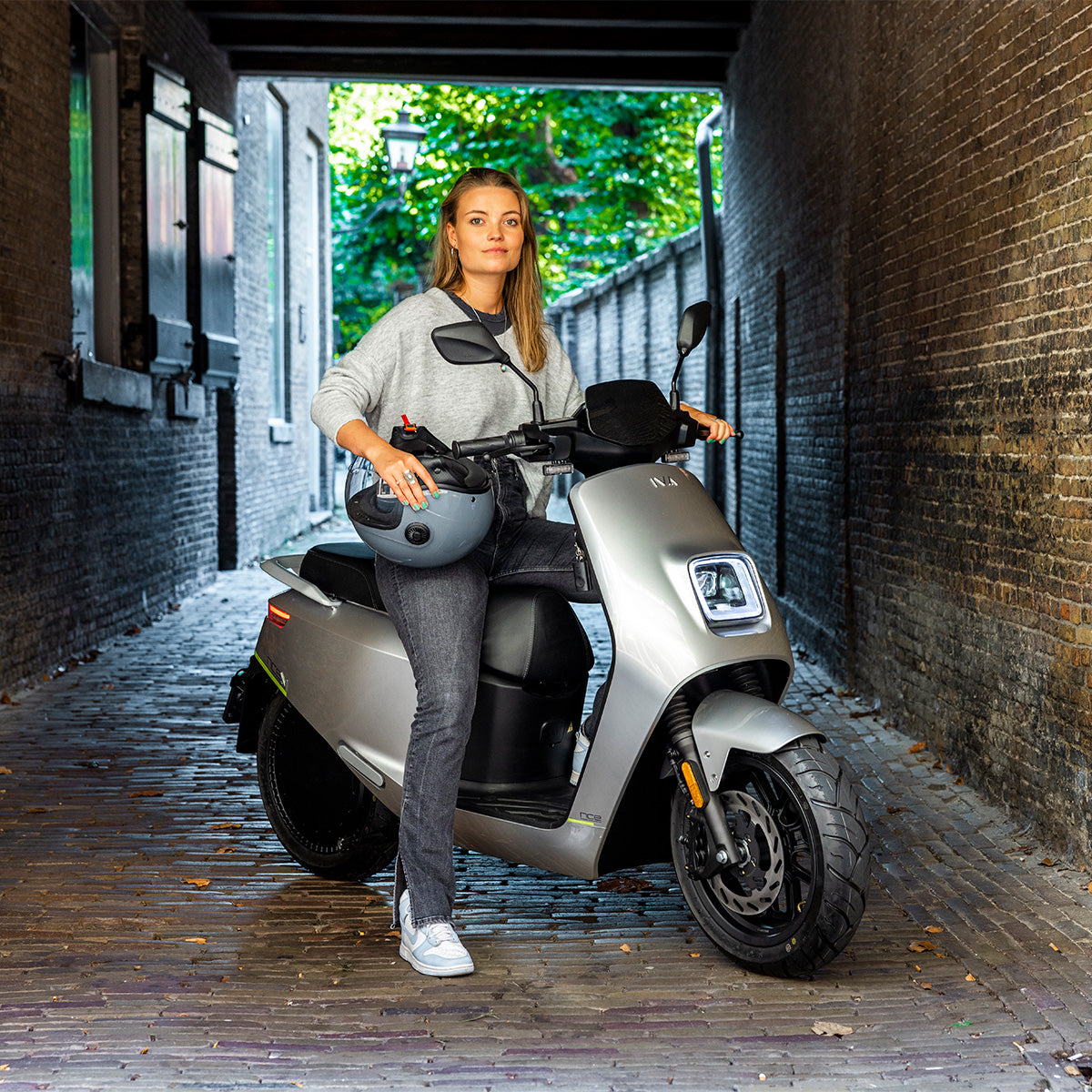
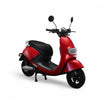
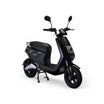
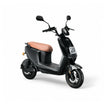
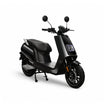
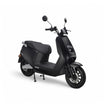
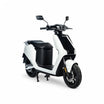
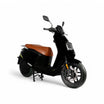
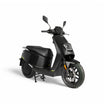
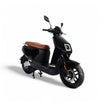
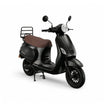
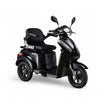
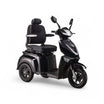
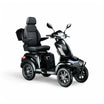
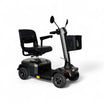
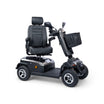
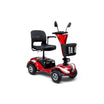
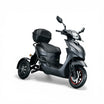
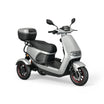
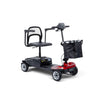
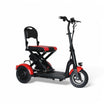

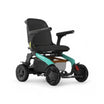
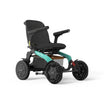
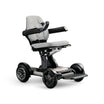
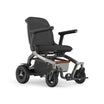
A scooter shop Choosing in 2026 is no longer a matter of walking into the nearest shop and hoping for the best. The Dutch scooter market has shifted radically in four years: petrol is making way for electric, the helmet requirement applies to both light mopeds and light scooters, and price differences between brands are rising to € 2.500, - for comparable models. That makes your choice of scooter shop at least as important as the scooter itself.
This guide answers what you really want to know before stepping into a scooter shop: which 10 brands sell the most in the Netherlands, how to recognize a reliable shop, what a new scooter costs on average, and what paperwork you will receive. You will find a direct checklist, an honest comparison between online and physical scooter shops, and concrete advice you can use tomorrow. No sales talk, just a clear picture of what to look out for.
Key takeaways
- A reliable scooter shop is RDW-approved, registers the license plate for you, and provides a minimum of 2 years warranty on the battery.
- The top 3 scooter brands in the Netherlands in 2026 are Vespa, Niu, and IVA — together accounting for over 55% of new sales.
- An electric scooter costs on average € 1.799, until € 3.499, - at a Dutch scooter shop, excluding delivery costs and registration.
- Online scooter shops are 8-12% cheaper, physical shops offer test rides and their own workshop — a hybrid approach combines both benefits.
- Always ask for the CoC document, the RDW registration certificate, and the warranty certificate before you pay.
What is a scooter shop in 2026?
A scooter shop is a specialized store that sells, maintains, and repairs scooters, mopeds, and related accessories. The difference compared to a random car dealership or e-bike shop lies in RDW accreditation, product knowledge, and the workshop. A genuine scooter shop can apply for license plates, replace batteries, and perform software updates on the spot—three services you rarely find fully available at a general transportation channel.
In 2026, you see three types of scooter shops existing side by side. The classic physical scooter shop has a showroom and its own mechanic, and is often specialized in one or two brands. The online scooter shop delivers to your home throughout the Netherlands, with sharper prices but without a test drive. And the hybrid scooter shop combines a webshop with a physical service point — this model is rapidly gaining ground because it combines low prices with local service.
The shift from gasoline to electric
The average scooter shop will sell more electric scooters than petrol models for the first time in 2026. According to figures from trade association RAI Vereniging, the share of electric vehicles in the moped and light moped segment rose from 18% in 2022 to over 51% in 2025. The driver: zero-emission zones in 30+ Dutch municipalities and the fact that an electric scooter approximately € 0,02 per kilometer costs against € 0,08 for gasoline.
A scooter shop that only sells petrol models is falling behind. So, on a first visit, explicitly ask what percentage of the showroom is electric — a healthy scooter shop will be at at least 40% by 2026.The mechanic must also be able to handle lithium-ion batteries, battery management systems (BMS), and CAN bus diagnostics. Without that knowledge, you can easily be out of commission for weeks in the event of a breakdown.
Why RDW accreditation is non-negotiable
The RDW (Dutch Vehicle Registration Authority) only authorizes recognized scooter shops to register a license plate in your name without you having to visit an inspection station. A non-recognized scooter shop will send you to the RDW counter — that will cost you a day's work and an inspection fee of € 64,80. Check the accreditation in advance at rdw.nl via the company finder.
Online scooter shop versus physical store: pros and cons
In 2026, the choice between online and physical no longer really exists as a black-and-white dichotomy. Nevertheless, it helps to weigh the pros and cons against each other, because the right mix depends on your own priorities: price, test drive, delivery time, or local service.
| Aspect | Online scooter shop | Physical scooter shop |
|---|---|---|
| Price | 8–12% lower | Recommended retail price, sometimes negotiable |
| Test drive | Not possible | Standard 15–30 minutes |
| Delivery time | 2–5 working days | Take it with you immediately or within 1 day |
| License plate | Requested before delivery | Ready for pickup |
| After-sales service | Central call center | Personal contact, in-house workshop |
| Warranty processing | Shipping service | On-site repair |
When do you choose online?
An online scooter shop is your best choice if you already know the exact model and version, don't want to wait for a test ride, and want the best price. For those buying their third scooter or wanting a specific configuration, buying online often saves money. € 200, until € 400, - on a scooter from € 2.500, -. Important: check whether the online scooter shop has a physical service point or dealer network. If not, you will be dependent on shipping back and forth in the event of a defect.
When do you choose physical?
A physical scooter shop is preferable if you are undecided between models, if ergonomics are important (seat height, footroom, weight), or if you value personal service. Seniors and first-time buyers usually benefit the most from this. Bonus: a physical scooter shop with its own workshop can often perform minor repairs the same day.
The hybrid approach — the best of both worlds
The smartest route in 2026 is a scooter shop that combines both models. Compare and order online, pick up physically and have it serviced at a local dealer in the network. This hybrid model gives you up to 10% discount and local service within 24 hours. IVA Mobility operates in this way via a nationwide dealer network: electric scooters from IVA Compare online, then pick up and service at an affiliated dealer nearby.
The 10 best scooter brands at a Dutch scooter shop
In 2026, the Dutch scooter market will comprise over 60 active brands, ranging from mass-market brands to niche labels. The top 10 below has been compiled based on new sales figures from the RAI Vereniging for Q1–Q4 2025, combined with customer satisfaction from independent research by the Consumentenbond. The top 3 — Vespa, Niu, and IVA — together account for over 55% of all new sales.
- Vespa — Italian icon, mainly petrol and hybrid. Premium price (€ 4.000–€ 7.500), excellent residual value.
- Niu — Chinese-Dutch, 100% electric, strong in the city. Market leader in the moped class, price from € 2.499, -.
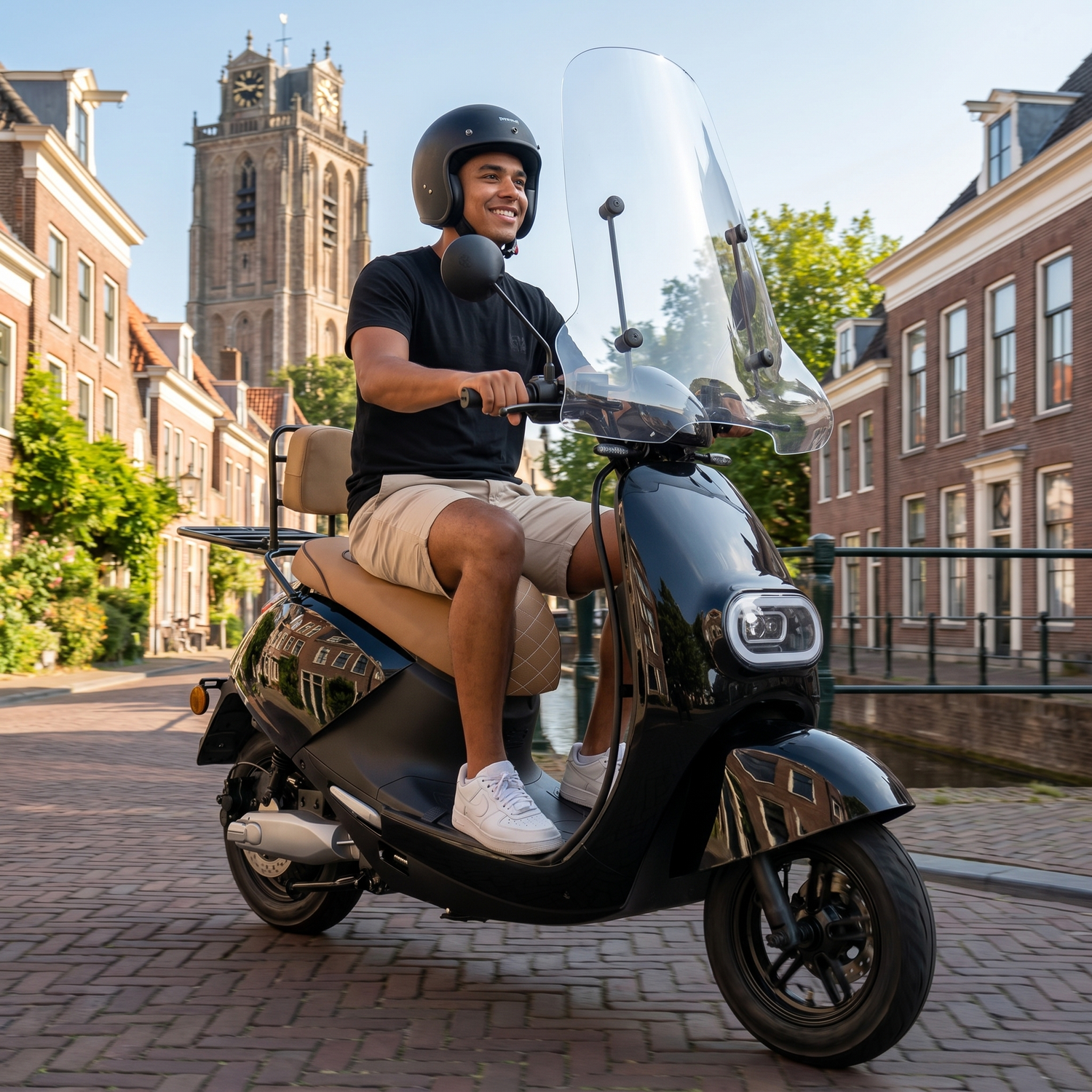
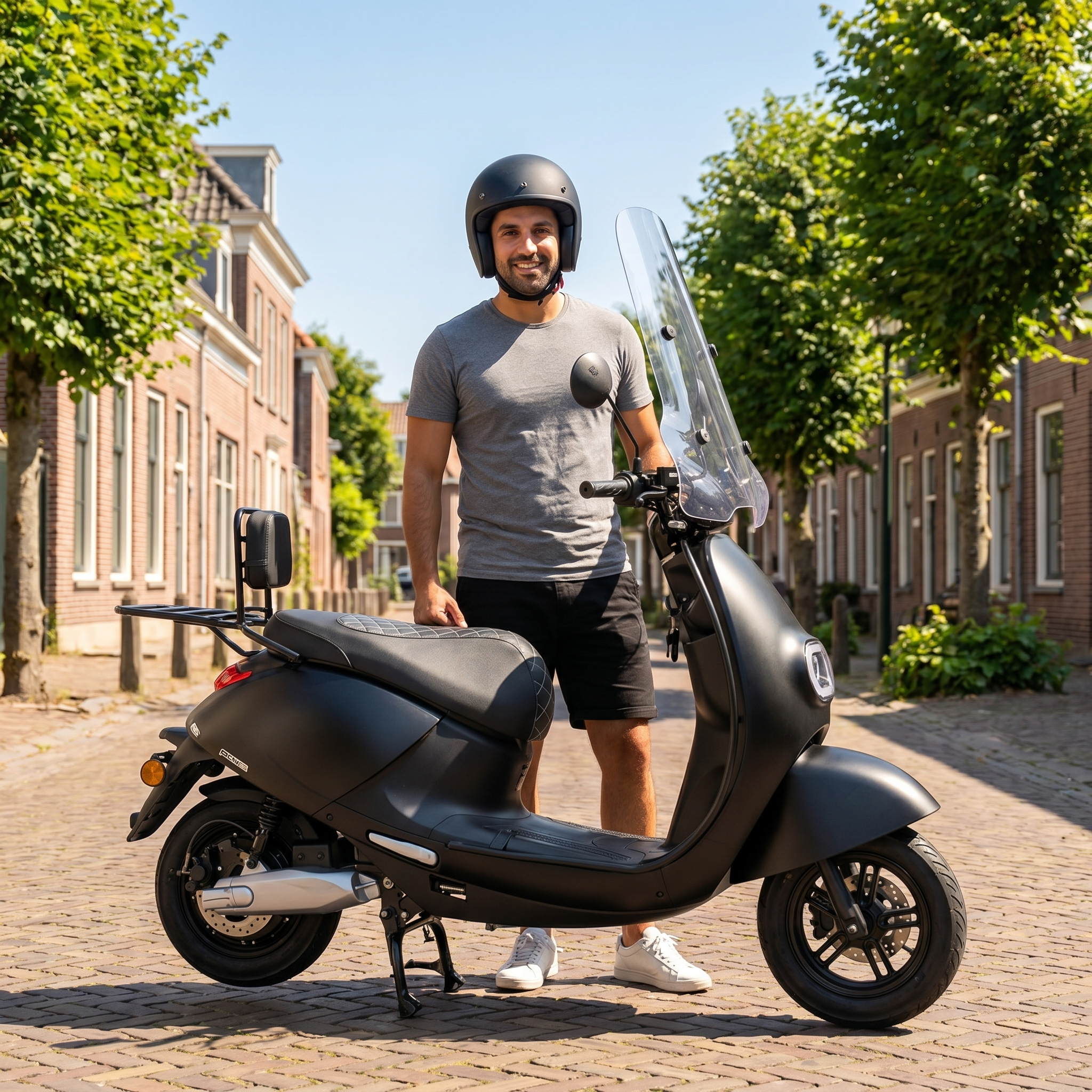
- IVA — Dutch brand, fully electric, own importer and dealer network. Models such as the IVA E-GO S4 and E-GO S5, price from € 1.799, -.
- Piaggio — Italian, the sister brand of Vespa. Strong in 125cc petrol models.
- Honda — Japanese reliability, the PCX segment has been the market leader for years.
- Yamaha — Known for the Aerox, popular among young people and delivery couriers.
- Peugeot — French, wide range of petrol and electric (Kisbee, e-Streetzone).
- BTC — Dutch entry-level brand, competitively priced (€ 1.299–€ 2.199).
- Kymco — Taiwanese, strong in 125cc maxi-scooters for commuting.
- SYM — Also Taiwanese, price-quality ratio comparable to Kymco.
A good scooter shop stocks at least two of the above brands to allow for comparison. Beware of shops that sell exclusively obscure Chinese B-brands — these often lack European type approval, meaning you won't be able to get a license plate and insurance may be refused in the event of damage.
What is the best-selling scooter in the Netherlands in 2026?
The best-selling scooter in the Netherlands in 2026 is the Niu MQi GT, an electric moped with a range of 70 kilometers and a price of € 2.599, -. In the moped class (45 km/h), the IVA E-GO S4 is the frontrunner. For petrol models, the Vespa Primavera remains the bestseller, especially in the € 4.500 price range
The cheap brands — watch out for these pitfalls
"Cheap" starts at approximately in 2026 € 1.299, - for a new moped. Below that price, you will mainly find grey-market imports without European type approval. You can recognize a cheaper brand that is still reliable by a Dutch importer, its own parts warehouse, and a minimum 2-year warranty. BTC and certain IVA entry-level models meet all these requirements.
Checklist: how to recognize a reliable scooter shop
You can't recognize a reliable scooter shop by a beautiful window display or a slick website. Go through this checklist before making a down payment — anything missing is a point for negotiation or a reason to walk away.
The essential 10 points
- RDW recognition — verifiable on rdw.nl via the company finder.
- Chamber of Commerce registration — active for at least 3 years, visible on the site.
- Physical business address — no PO box address or foreign hub.
- Warranty — at least 24 months on the vehicle, 24 months on the battery.
- Own workshop — or a fixed service partnership with a local mechanic.
- Parts stock — ask about delivery times for a typical malfunction.
- Reviews — at least 4.2/5 on Trustpilot or Google with 100+ reviews.
- General Terms and Conditions — clearly, in Dutch, state the warranty procedure.
- Payment methods — iDEAL, credit card and payment on account (no prepayment only).
- CoC document — is included as standard at no extra cost.
What is the difference between a scooter dealer and a scooter shop?
A scooter dealer is an officially recognized point of sale for one specific brand (for example, a Vespa dealer).A scooter shop has a broader scope: it carries multiple brands and is often also a dealer for one or two labels. For the consumer, the difference is usually not visible — as long as there is RDW accreditation, warranty, and service. For niche brands, however, a brand dealer can offer advantages in terms of parts availability.
Reading reviews: what do you really pay attention to?
A rating of 4.8 with 12 reviews says less than a 4.3 with 850 reviews. Look at the reviews from the last 6 months and pay attention to recurring themes: long delivery times, poor accessibility regarding warranty, problems with license plates. A few negative reviews among 800 positive ones is normal; five negative reviews in a row about the same subject is a red flag.
Buying a scooter at a scooter shop: step-by-step plan and costs
Buying a scooter will cost an average of in 2026. € 1.799, until € 3.499, - for an electric model and € 2.500, until € 5.500, - for a petrol version. Add approximately to that. € 250, - for registration and delivery, and € 12, until € 35, - per month for third-party liability insurance. Below is a clear six-step plan from orientation to the first ride.
Step 1: Determine your driving profile
Before you step into a scooter shop, ideally you know: the number of kilometers per day, whether you frequently visit zero-emission zones, whether you have storage to charge the battery indoors, and what your maximum budget is. For city rides of < For 25 km per day, a light moped (25 km/h, blue license plate) is sufficient. For commuting. > For 25 km/h, choose a moped (45 km/h, yellow license plate).
Step 2: compare at least 3 scooter shops
Request quotes from three different scooter shops for exactly the same model and version. The price difference is rarely in the scooter itself, but in the delivery costs (€ 75, until € 250, -), registration costs ( -),€ 12, - BPM exemption up to € 64,80 inspection) and the offered warranty extension.
Step 3: Take a test drive
A test ride is standard at a physical scooter shop, costs nothing, and lasts 15 to 30 minutes. Pay attention to: seat height, accessibility of the brakes, weight at a standstill (can you keep it upright?), and the smoothness of the throttle. Compare at least two models back-to-back.
Step 4: Arrange insurance and license plate
Third-party liability insurance is mandatory and costs € 12, until € 35, - per month. For a new electric scooter of € 2.500, - or more, we recommend Third-Party Liability + Comprehensive — which covers theft and own damage for approximately € 25, - extra per month. The scooter shop applies for the license plate; for light mopeds this takes 1–3 working days, for scooters 3–5 working days.
Step 5: retrieve and check documents
Upon pickup, you will receive four documents: the CoC (Certificate of Conformity), registration certificate parts I and II, the warranty certificate, and the purchase invoice. Check that the VIN number on the scooter matches the license plate. Are any of these documents missing? Do not pay until everything is correct.
Step 6: first 500 km and first service
The first service after 500 km is free at most scooter shops. During this service, software updates are performed, tires are adjusted, and the battery is calibrated. Schedule this appointment immediately upon pickup — this prevents the warranty from becoming void due to delayed service.
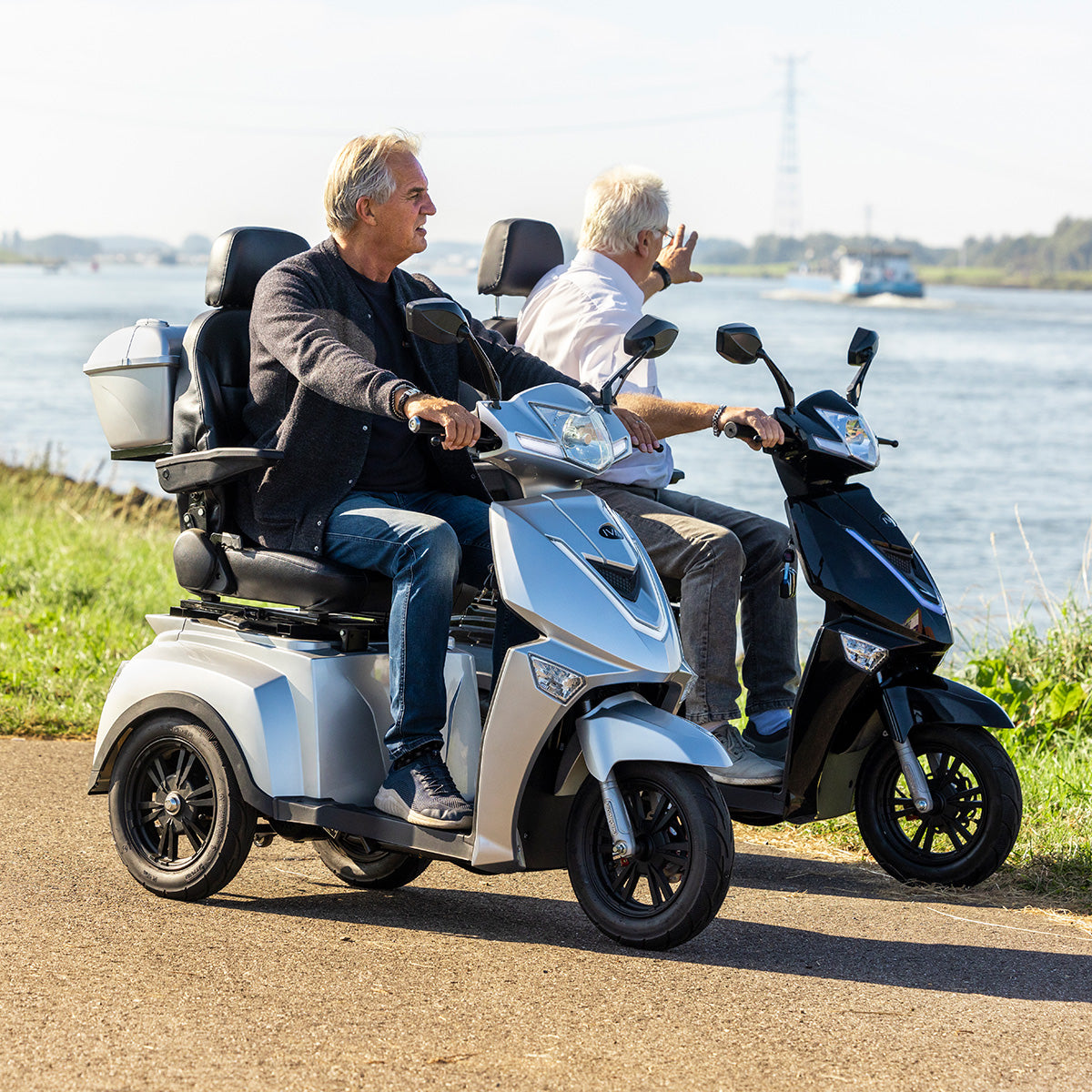
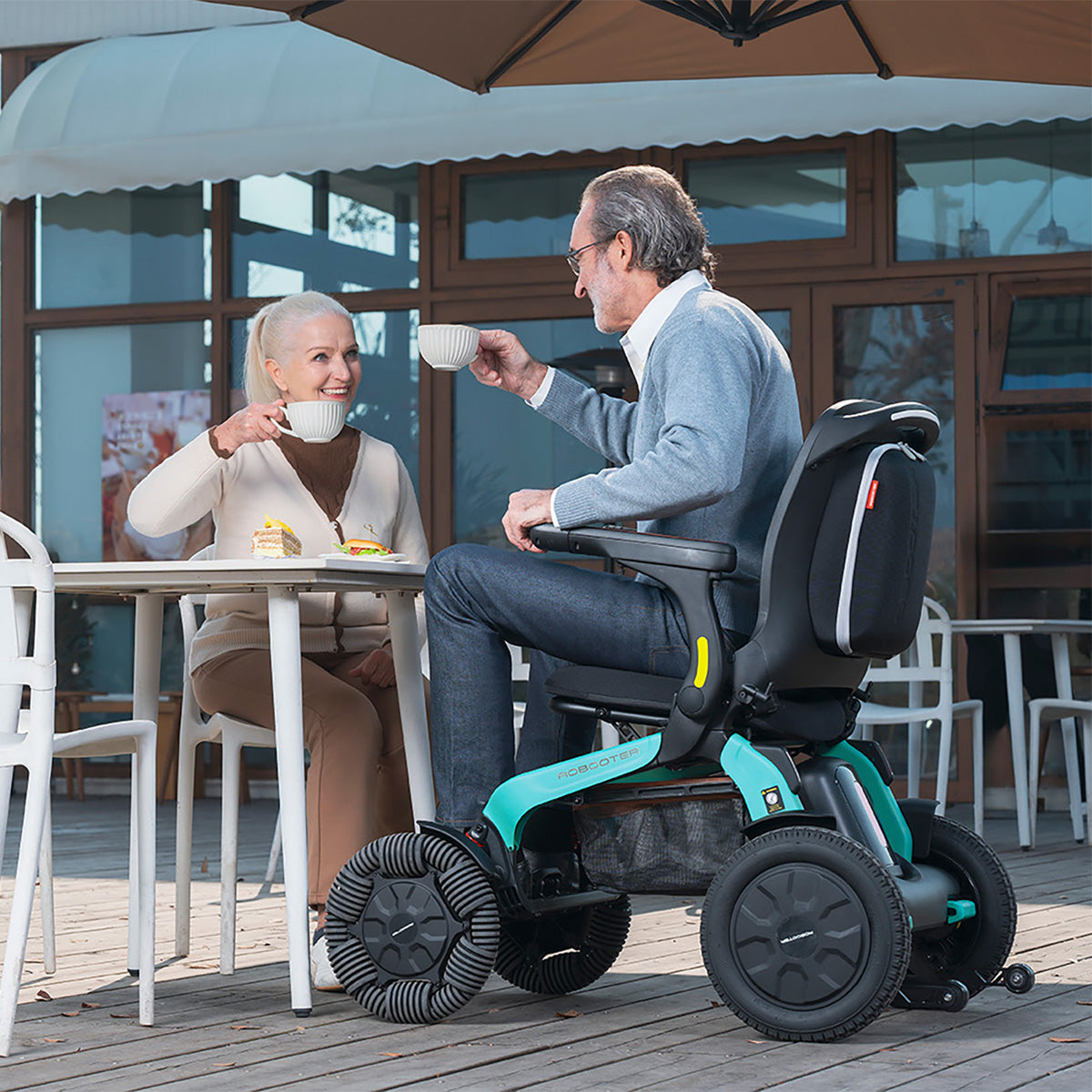
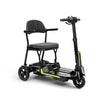
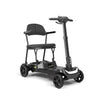
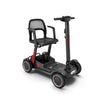
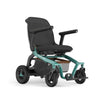
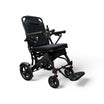
Ready to take the step? Check out the complete IVA collection or find a IVA dealer in your area for a test drive. For those with reduced mobility, IVA also offers a wide range. mobility scooters with the same service and warranty.
Frequently asked questions about a scooter shop
What are the 10 best scooter brands at a Dutch scooter shop?
The top 10 in 2026 is: Vespa, Niu, IVA, Piaggio, Honda, Yamaha, Peugeot, BTC, Kymco, and SYM. Vespa, Niu, and IVA together account for over 55% of new sales. Vespa scores high on residual value, while Niu and IVA score highly on price-quality within the electric segment.
What is the best-selling scooter in the Netherlands in 2026?
The Niu MQi GT will be the best-selling moped in the Netherlands in 2026, with a range of 70 kilometers and a price of € 2.599, -. In the moped class (45 km/h), the IVA E-GO S4 is number one. The Vespa Primavera remains the leader in the petrol segment around € 4.500, -.
What is a cheaper brand of scooter that is still reliable?
You can recognize a cheaper, reliable scooter brand by three things: a Dutch importer, its own parts warehouse within the Netherlands, and a minimum 24-month warranty. Brands like BTC and the entry-level models from IVA fall into this category, with starting prices around € 1.299, until € 1.799, -. Avoid brands without European type approval, because you won't be able to get the license plate sorted out.
What does a scooter cost on average at a scooter shop in 2026?
A new electric scooter at a Dutch scooter shop will cost on average in 2026. € 1.799, until € 3.499, -. A petrol version costs € 2.500, until € 5.500, -. On top of that price comes approximately € 250, - for delivery and registration costs. Premium brands like Vespa start around € 4.000, - and run up to € 7.500, - for top models.
How do you recognize a reliable online scooter shop?
A reliable online scooter shop has RDW accreditation, a physical Dutch business address, at least 3 years of existence, and 100+ recent reviews with a score of 4.2/5 or higher. Additionally, it offers payment on account or via credit card (no prepayment-only), includes the CoC document as standard, and has a physical service point or dealer network for warranty handling.
Are you allowed to buy a scooter online in the Netherlands without a driver's license?
You can buy a scooter online without a driver's license, but you cannot ride one. In the Netherlands, you need an AM license for a light moped (25 km/h) and a light scooter (45 km/h), which you can obtain from the age of 16. A car license (category B) obtained before October 1, 2009, automatically counts as an AM license. Without a valid license, you risk a fine starting from € 410, - and seizure of the scooter.
How much warranty does a scooter shop provide as standard?
A scooter shop in the Netherlands provides a standard 24-month warranty on the vehicle and 24 months on the battery. Some brands, including IVA, offer up to 36 months of battery warranty as an additional service. Wear parts (tires, brake pads, chain) are not covered by the warranty. Always request the warranty conditions in writing before purchasing.
What is the difference between a scooter dealer and a scooter shop?
A scooter dealer is a point of sale officially recognized by a single brand — for example, a Vespa dealer or an IVA dealer. A scooter shop is a broader point of sale that carries multiple brands and is often also a dealer for one or two labels. For the consumer, it rarely matters, provided there is RDW approval, a manufacturer's warranty, and service. However, for brand-specific parts, a dealer does have the shortest line of communication.
Which documents do you receive when purchasing at a scooter shop?
Upon purchase, you receive four documents: the CoC (Certificate of Conformity, proof of European type approval), registration certificate parts I and II, the warranty certificate, and the purchase invoice.Check that the VIN number on the scooter matches the license plate. Is one of these parts missing? Do not pay until everything is complete.
Ready for your new scooter
Choosing the right scooter shop saves you years of hassle-free riding pleasure. RDW accreditation, a real workshop, transparent warranty conditions, and a healthy mix of online and physical stores — these are the four anchors on which you build a purchase. Research two to three brands beforehand, compare three shops, and always take a test ride. In 2026, the difference between a good and a bad choice is rarely the scooter itself, but the service surrounding it.
IVA Mobility operates as a hybrid scooter shop with a nationwide dealer network in the Benelux. View the electric scooters from IVA, find a dealer in your area for a test drive, or step straight into the full range.


Leave a comment
This site is protected by hCaptcha and the hCaptcha Privacy Policy and Terms of Service apply.