

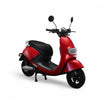
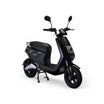
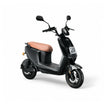
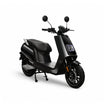
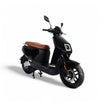
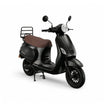
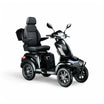
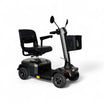
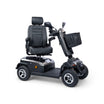
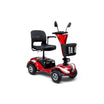
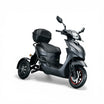
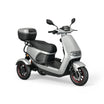
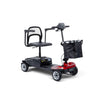
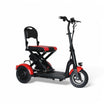

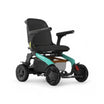
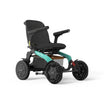
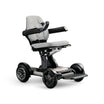
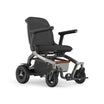
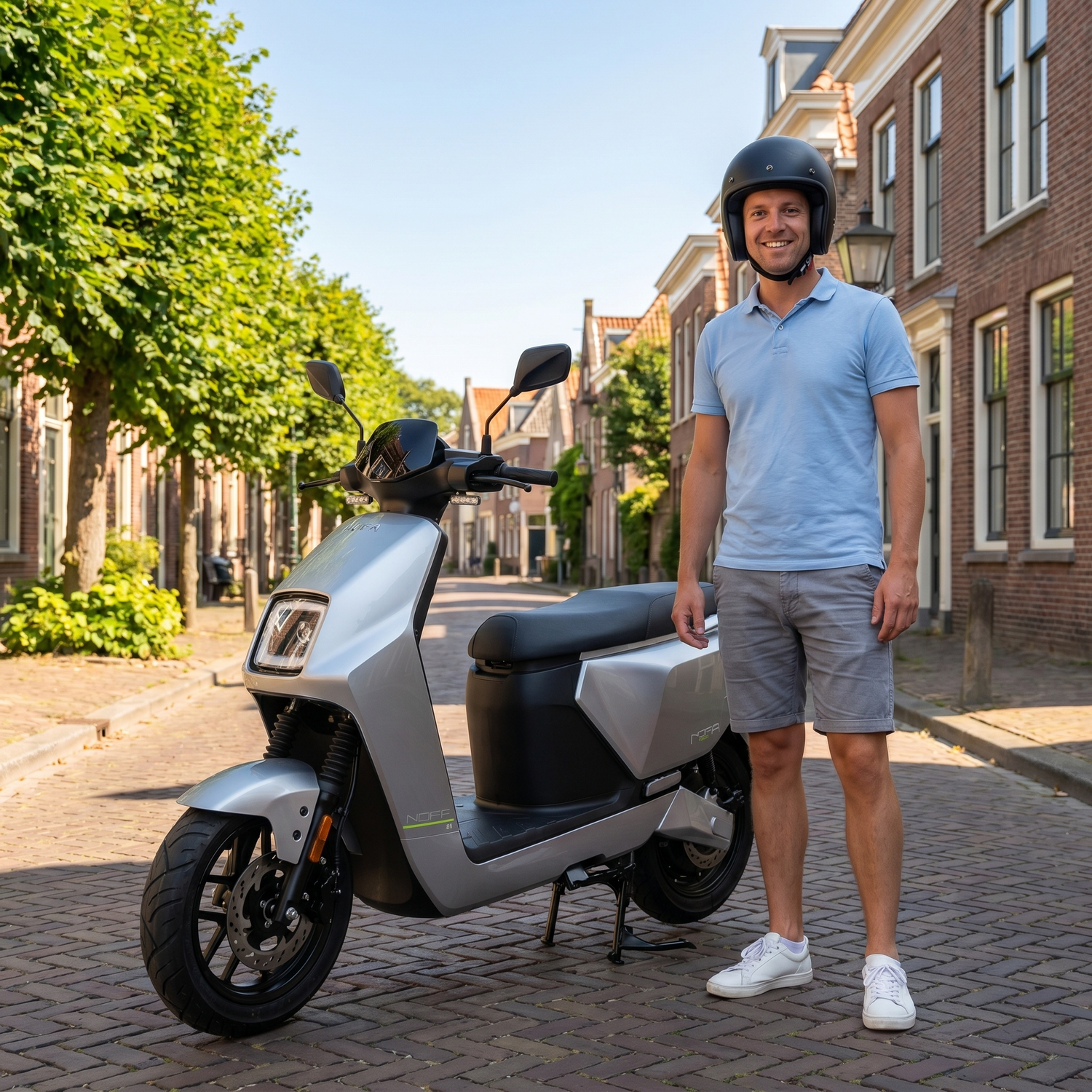
By 2026, an electric scooter will have become the most practical solution for urban traffic in the Netherlands. With over 25 zero-emission zones, a dense network of cycle paths spanning more than 37,000 kilometers, and sharply rising fuel prices, you no longer choose an electric scooter simply because you can, but because it pays off. You ride for about a cent per kilometer, you can get in anywhere, and you are off the line at traffic lights in two seconds.
In this guide, you will discover exactly which electric scooter suits you, what the legal regulations will be in 2026, which models dominate the Dutch market, and how to estimate the actual costs over five years. You will read which battery, motor, and warranty you really need, and how to avoid missing out on thousands of euros later due to the wrong choice. No marketing jargon — just facts, figures, and concrete comparisons.
Key points
- An electric scooter drives for approximately € 0,01 per kilometer — opposite € 0,07 to € 0,09 for a petrol scooter.
- In 2026, in 25+ Dutch municipalities, you will only be allowed to enter the city center with an emission-free vehicle.
- For both a light moped (25 km/h) and a light scooter (45 km/h), you need an AM driving licence and wearing a helmet is mandatory.
- A quality battery lasts 1,000 charging cycles — good for approximately 50,000 kilometers before the capacity drops below 80%.
- The IVA E-GO series offers a removable lithium-ion battery, allowing you to charge at home or at the office even without your own driveway.
- The maintenance of an electric scooter is on average 60% lower than that of a petrol scooter.
What is an electric scooter and why will the Dutch choose them in 2026?
An electric scooter is a two-wheeled vehicle powered by an electric motor instead of an internal combustion engine. The energy comes from a rechargeable lithium-ion battery that can be charged via a standard wall socket. In the Netherlands, electric scooters legally fall into two classes: the light moped (max 25 km/h, blue license plate) and the light scooter (max 45 km/h, yellow license plate). Both are completely emission-free and produce hardly any noise.
The shift to electric in the Netherlands will no longer be marginal in 2026. According to figures from the RDW Electric models now account for more than a third of new sales in the moped and light moped segment. The driving force behind this is urban regulations. Cities such as Amsterdam, Rotterdam, Utrecht, and The Hague have extended their environmental zones to two-wheelers. Anyone still riding a petrol scooter from before 2011 into the city center risks a fine of € 100 or more per violation.
The three biggest advantages of an electric scooter
An electric scooter offers three tangible advantages that are immediately decisive for most Dutch riders. First, the cost: you ride for about one cent per kilometer, compared to seven to nine cents for a petrol version. Over 5,000 kilometers per year, you save almost € 400 in terms of energy alone. Secondly, access: unlike a petrol scooter, you are allowed to enter any environmental zone, without exception. Thirdly, the riding experience: the electric motor delivers its full torque instantly from a standstill.You pull away smoothly from a standstill and glide silently through busy streets.
On top of that, an electric scooter requires much less maintenance. No oil changes, no spark plug replacements, no complex fuel injection. According to figures from the Consumers' Association, maintenance costs are on average 60% lower than for a petrol scooter. For those who ride to work daily, that means one workshop visit per year instead of two to three. Conclusion: the benefits are not only idealistic, they are financial and practical.
Top 5 electric scooter models for the Dutch market
The Dutch market offers a wide choice in 2026, but only a handful of models combine performance, range, and a service network in a serious manner. Below you will find a comparison of five popular electric scooters that have been tested on the Dutch road network. We look at top speed, range, power, and target price.
| Model | Top speed | Range | Engine power | Target price |
|---|---|---|---|---|
| IVA E-GO S4 | 25/45 km/h | up to 80 km | 1,440 W (Bosch) | from € 2.499 |
| IVA E-GO S5 | 45 km/h | up to 160 km (dual battery) | 3,000 W (Bosch) | from € 3.499 |
| IVA Lux Special Electric 2.0 | 25 km/h | up to 70 km | 1,500 W | from € 2.299 |
| Niu MQI GT | 45 km/h | up to 70 km | 2,400 W | from € 3.299 |
| Segway eMoped E110 | 25 km/h | up to 65 km | 1,500 W | from € 2.199 |
IVA E-GO S4: the bestseller for commuting
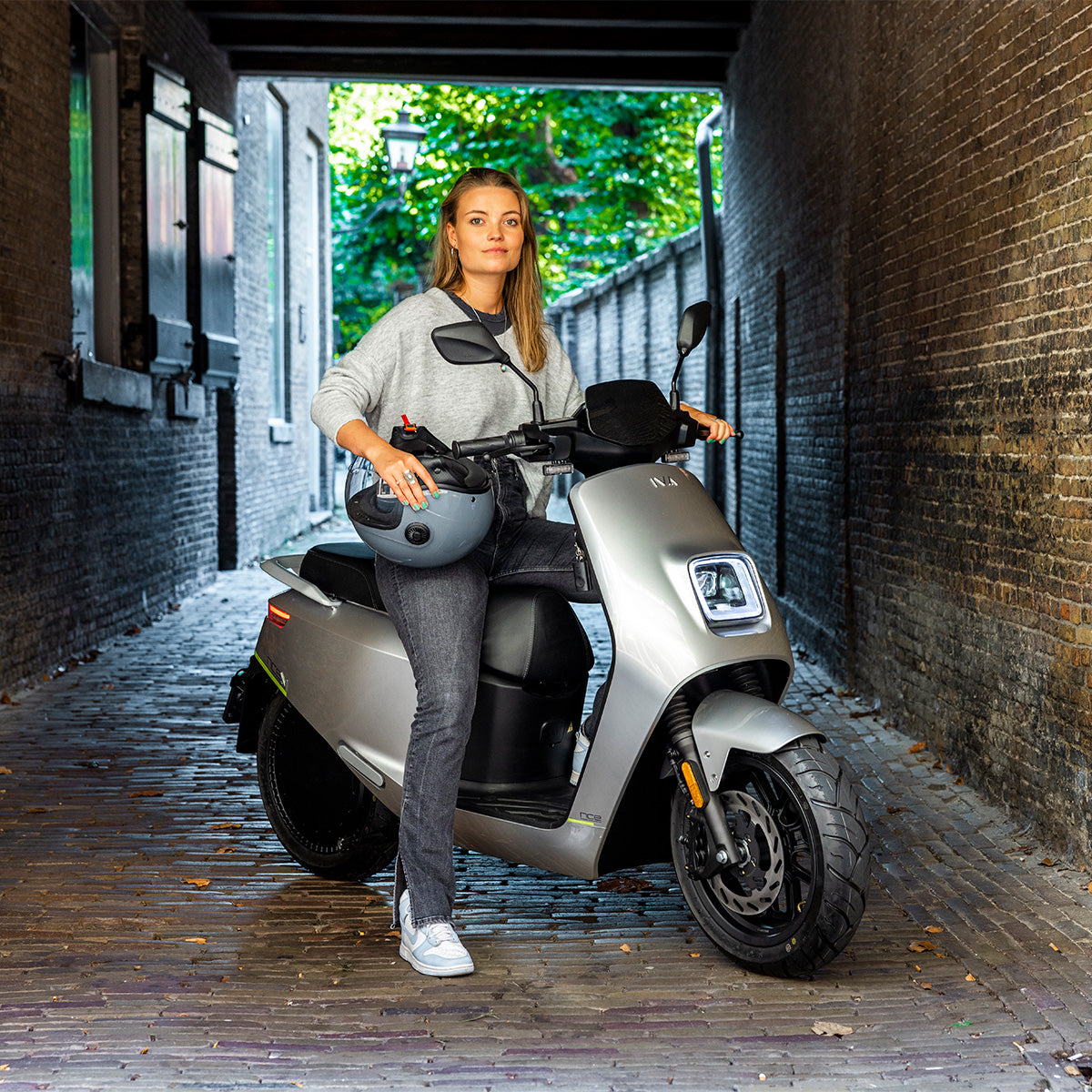
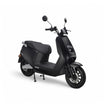
The IVA E-GO S4 It has been the best-selling electric scooter in the Netherlands continuously since 2022 and is the winner of the ANWB E-Scooter Test in 2026. The model combines a maintenance-free 1,440-watt Bosch motor with a removable 26Ah lithium-ion battery. In practice, this provides a range of 60 to 80 kilometers, more than enough for the average Dutch commuter. You can choose between the 25 or 45 km/h version for the RDW inspection.
IVA E-GO S5: the most powerful model for long distances
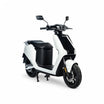
The IVA E-GO S5 is the top choice for those who cover more than 30 kilometers per day or regularly ride with a passenger. With a 3,000-watt Bosch motor and space for a dual battery pack, you achieve a range of up to 160 kilometers. The wider chassis and 32-liter cargo box make the model ideally suited for city deliveries or commuter runs from Rotterdam to The Hague. Top speed: 45 km/h.
Alternatives: Niu, Segway and IVA Lux
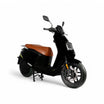
The Niu MQI GT and Segway eMoped E110 are solid international alternatives, but offer a thinner dealer network in the Netherlands than IVA. For those seeking a unique design, the IVA Lux Special Electric 2.0 is an interesting option — known from Google's shopping carousel and loved for its retro style combined with modern technology. Conclusion: for those who prioritize service and reliability, the IVA E-GO series remains the logical choice in 2026.
Legal regulations, driving license and helmet requirement in 2026
In 2026, you will need an AM driving licence for an electric scooter in the Netherlands, regardless of whether you choose the 25 or 45 km/h version. A regular car driving licence (B) is also valid. Additionally, since January 1, 2023, a universal helmet requirement applies to all light mopeds and light scooters. You must wear an NTA 8776 certified speed pedelec helmet for 45 km/h models, and a standard moped helmet for the 25 km/h version.The fine for riding without a helmet amounts to € 100.
In the field of environmental zones, the strictest regime ever will apply in 2026. According to the National Government Amsterdam, Rotterdam, Utrecht, The Hague, Eindhoven, Groningen, and eighteen other cities have expanded their environmental zones to two-wheelers. Mopeds and scooters manufactured before 2011 are banned; from 2030, a complete ban on two-wheelers with internal combustion engines will apply in these cities. An electric scooter is allowed everywhere: by 2026, it will effectively be the only future-proof choice for the city dweller.
Moped (25 km/h, blue license plate)
A light moped is allowed to ride on most bicycle paths within built-up areas — in Amsterdam, however, only on the main carriageway. You do not need a license plate visible on the rear of the seat, but you do need a blue license plate from the RDW. Third-party liability insurance is legally mandatory and starts at approximately € 9 per month. Advantage: you do not pay road tax (motor vehicle tax) on a light moped, regardless of whether it is electric or petrol.
Moped (45 km/h, yellow license plate)
A moped rides on the main road, not on the cycle path. You need a yellow license plate and more comprehensive insurance starting at approximately € 18 per month. Since 2023, electric scooters have been exempt from motor vehicle tax by 100% — a direct saving of approximately € 100 per year compared to a petrol variant. An additional advantage: you are allowed to keep up with other traffic at a higher speed, which is safer on busy city roads.
Cost, battery, and range: what do you need to know before you buy?
The purchase of an electric scooter will be between in 2026 € 2.000 and € 4.000 for a serious model. With that, he is usually € 400 to € 800 more expensive than a comparable petrol scooter. That difference pays for itself within 24 months with an average usage of 4,000 kilometers per year — through lower energy costs, no road tax, and cheaper maintenance.
The battery is by far the most important component. A high-quality lithium-ion battery in an electric scooter contains cells designed for 1,000 full charge cycles. In practice, this allows you to travel 50,000 kilometers before the capacity drops below 80%. The Battery Management System (BMS) monitors each individual cell against overheating, deep discharge, and short circuits. Always ask for the exact warranty on the battery capacity when purchasing — the standard in 2026 is 2 years or 20,000 kilometers.
Range in practice
The range stated by manufacturers is based on the WMTC test cycle under ideal conditions (20 °C, 75 kg rider, no wind). In the Dutch climate, you should expect approximately 70-80% of that figure. At temperatures below 5 °C, the range can be as much as 25% lower due to slower chemical reactions in the cells. Therefore, an electric scooter with a stated 100 km range will realistically achieve 65 km on a windy day in December.
Charging time and charging strategy
A full charge takes 4 to 6 hours using standard charging via a 230V socket. Fast charging is available on some models and delivers 80% charge in 60 to 90 minutes. Important advice: use fast charging only when necessary — daily fast charging noticeably accelerates battery degradation. For maximum lifespan, keep the charge between 20% and 80% and preferably charge immediately after riding, while the cells are still at operating temperature.
Total cost of ownership over 5 years
With a usage of 4,000 km per year and a total distance of 20,000 km over 5 years, the figures look as follows.Electric energy costs: € 200. Gasoline energy costs: € 1.500. Electrical maintenance: € 350. Petrol maintenance: € 1.100. Road tax electric moped: € 0. Road tax petrol moped: € 500. Total savings over 5 years: € 2.550. Conclusion: even at a purchase price that € 700 if it is higher, you save net € 1.850 over the first five years.
Maintenance and insurance: keep driving worry-free
The maintenance of an electric scooter is fundamentally different from that of a petrol scooter. No oil, no spark plugs, no air filter, no variomatic belt. What remains: brake pads, tires, battery packs, and the software of the Battery Management System. An annual inspection at an authorized dealer costs on average € 80 to € 120 and consists primarily of visual checks, connection points, and a software update.
The biggest mistake buyers make is installing non-original parts or having the battery opened by an unqualified mechanic. That immediately voids your manufacturer's warranty and, moreover, poses a fire safety risk. According to the ANWB The number of battery fires in lithium-ion vehicles is increasing due to improper maintenance — usually caused by counterfeit chargers and non-certified replacement batteries. Conclusion: always have maintenance performed by a manufacturer-certified dealer.
Insurance: Third-Party Liability, Third-Party Extended, or Comprehensive?
Third-party liability insurance is legally required for every electric scooter. Premiums start at € 9 per month for a moped and € 18 per month for a moped. For new models up to 3 years old, we recommend comprehensive insurance. The battery and electronics together represent approximately 60% of the new value, which you would lose in the event of theft or fire damage without comprehensive coverage. Insurers often require an ART-4 or ART-5 approved chain lock, plus in some cases a built-in GPS tracker.
Warranty and service network
An electric scooter is an investment for 8 to 12 years. The local service network therefore carries more weight than with a bicycle. Through 200+ authorized dealers in the Netherlands and Belgium, IVA Mobility offers coverage where you never have to travel more than 25 kilometers for service. The IVA E-GO models come with a 2-year manufacturer's warranty on the frame and electronics, and a separate 2-year battery warranty on a minimum capacity of 80%. Find via the IVA dealer locator the nearest specialist.
Ready to choose? Compare the full range electric scooters from IVA or schedule a test drive at a dealer in your region. Our advisors help you make the right choice for your driving profile in ten minutes.
Frequently asked questions about the electric scooter
What is the best electric scooter in the Netherlands in 2026?
The IVA E-GO S4 tops the list in 2026 as the best-selling and ANWB-tested winning electric scooter. The model combines a maintenance-free 1,440-watt Bosch motor with a removable lithium-ion battery and a range of up to 80 kilometers. For those seeking more power or range, the IVA E-GO S5 offers a 3,000-watt Bosch motor and a dual battery for a range of 160 kilometers. Both models are supported by 200+ authorized dealers in the Netherlands.
How much will an electric scooter cost on average in 2026?
A high-quality electric scooter will cost between in 2026 € 2.000 and € 4.000 new. Entry-level models for city use start around € 2.200 and top models with dual battery and 45 km/h version end up at € 3.500 to € 4.000. Second-hand models that are 2 to 3 years old cost on average 60% of the new price and retain their value better than petrol scooters due to rising demand.
Do you need a driver's license for an electric scooter?
Yes, for an electric scooter in the Netherlands, you need at least an AM driving licence or a valid car driving licence (B). This applies to both the light moped (25 km/h) and the light scooter (45 km/h). You can obtain the AM driving licence from the age of 16, and it consists of a theory exam and a practical exam. The costs are around € 350 to € 500 including lessons.
How far can you ride an electric scooter on a single charge?
An average electric scooter achieves 50 to 100 kilometers on a single charge, depending on battery capacity, speed, and ambient temperature. Models with a 20Ah battery reach up to 60 kilometers; a 30Ah battery achieves 90 to 100 kilometers. The IVA E-GO S5 with a dual battery reaches up to 160 kilometers. In winter, the range drops by approximately 25% due to slower chemical reactions in the lithium-ion cells.
Are you allowed to ride an electric scooter on the bike path?
A light moped (25 km/h, blue license plate) is permitted on most bicycle paths in the Netherlands. In Amsterdam, since 2019, you must ride a light moped on the main road and are required to wear a helmet. A scooter (45 km/h, yellow license plate) always rides on the main road. Outside built-up areas, both types are required to use the moped/bicycle path if available.
How much road tax do you pay for an electric scooter?
For an electric light moped (25 km/h), you pay no road tax, just like for the petrol version. For an electric scooter (45 km/h), a 100% exemption from motor vehicle tax applies in 2026 — a saving of approximately € 100 per year compared to a petrol moped. This exemption is a lasting incentive from the central government to promote electric driving.
What are the disadvantages of an electric scooter?
The three main disadvantages of an electric scooter are: higher purchase price (€ 400 to € 800 more than petrol), more limited range in cold weather (approximately 25% lower below 5 °C), and higher battery replacement costs after 5 to 8 years (€ 600 to € 1.000). On the other hand, the savings on fuel, maintenance, and road tax compensate for these additional costs within 24 months.
Is an electric scooter suitable for 2 people?
Yes, most mopeds (45 km/h) are officially suitable for two people, provided they are equipped with a valid passenger neck guard and footrests. For the IVA E-GO S5, a maximum total weight of 200 kilograms applies, including rider, passenger, and luggage. A light moped (25 km/h) is only permitted for one person in the Netherlands, except for children under 8 years of age in an approved child seat.
How long does the battery of an electric scooter last?
A lithium-ion battery in an electric scooter lasts an average of 5 to 8 years, or approximately 1,000 full charge cycles. In terms of kilometers, this means 40,000 to 60,000 kilometers before the capacity drops below 80%. For a longer lifespan, preferably keep the charge between 20% and 80%, avoid daily fast charging, and store the battery at room temperature during prolonged periods of inactivity.
Are you allowed to enter the low-emission zone in Amsterdam with an electric scooter?
Yes, an electric scooter is allowed unlimited access to all environmental zones in the Netherlands — including the zero-emission zones of Amsterdam, Rotterdam, Utrecht, and The Hague. In fact, from 2030 onwards, only emission-free two-wheelers will be allowed into the city centers of these major cities. This makes an electric scooter the only future-proof choice for anyone riding in or around a major Dutch city.
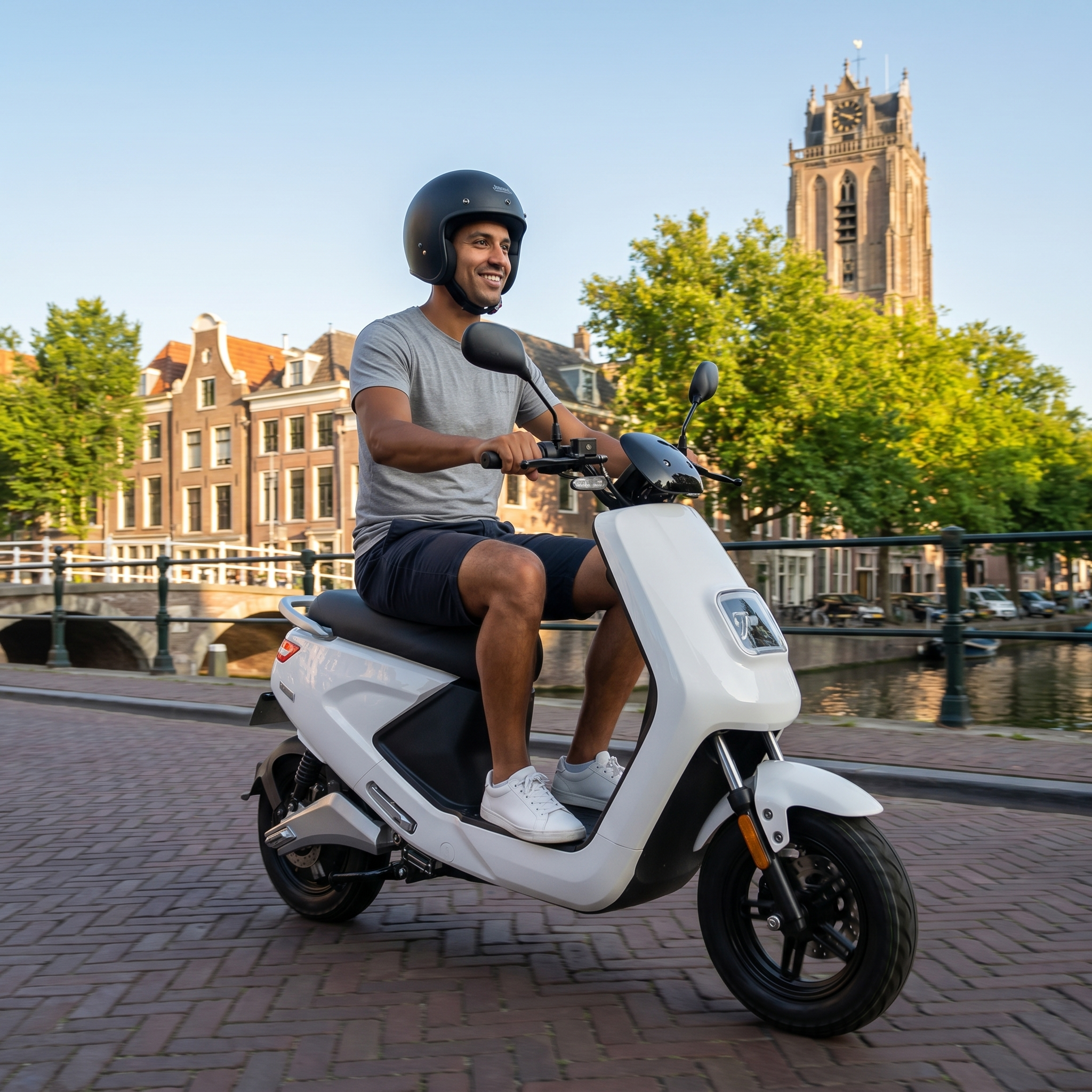
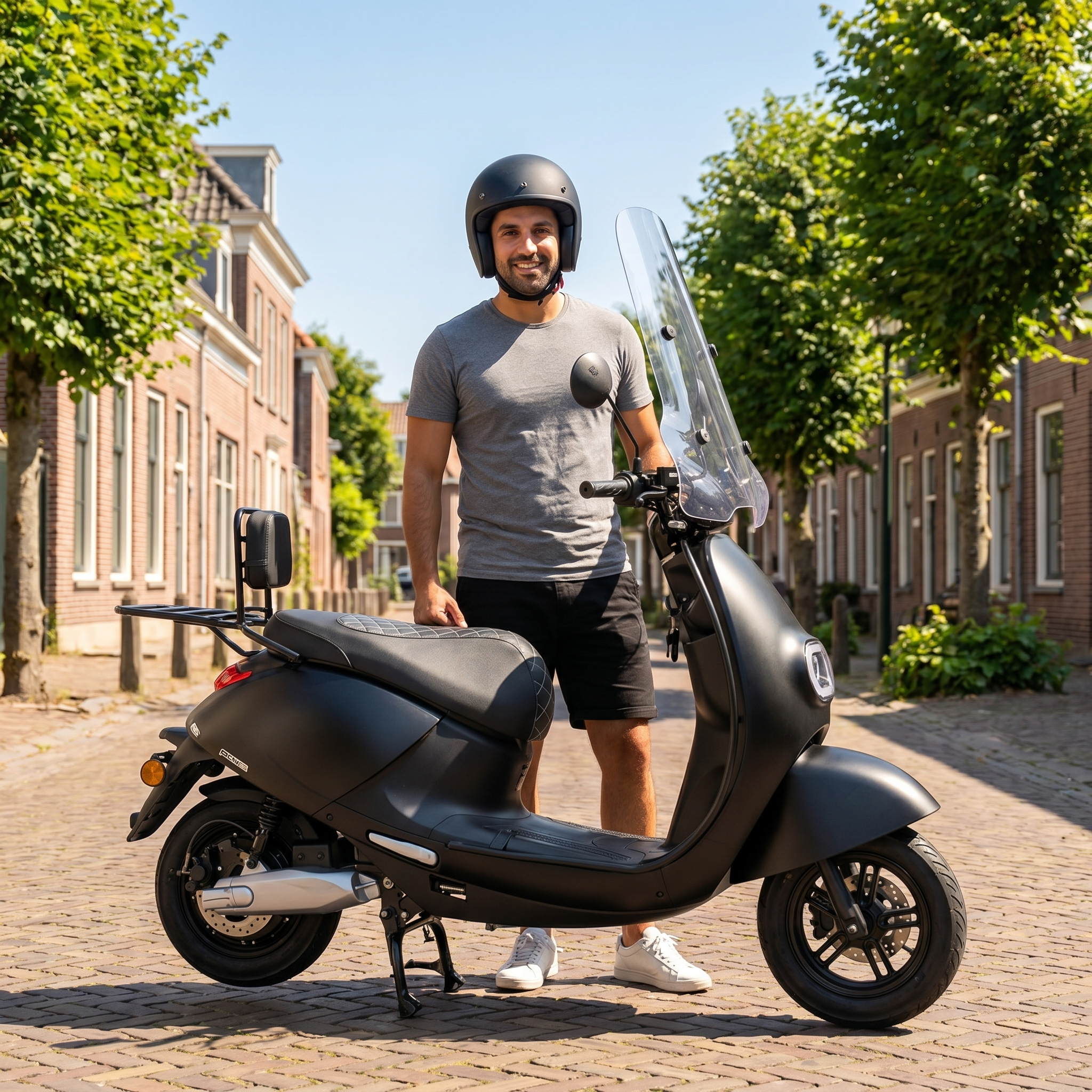

1 reaction
ScooterNav
Voor een Scooter Geelkenteken Routeplanner is correcte routeplanning essentieel. ScooterNav biedt routes voor bromfietsers via toegestane wegen en bromfietspaden: https://scooternav.com/
Leave a comment
This site is protected by hCaptcha and the hCaptcha Privacy Policy and Terms of Service apply.