

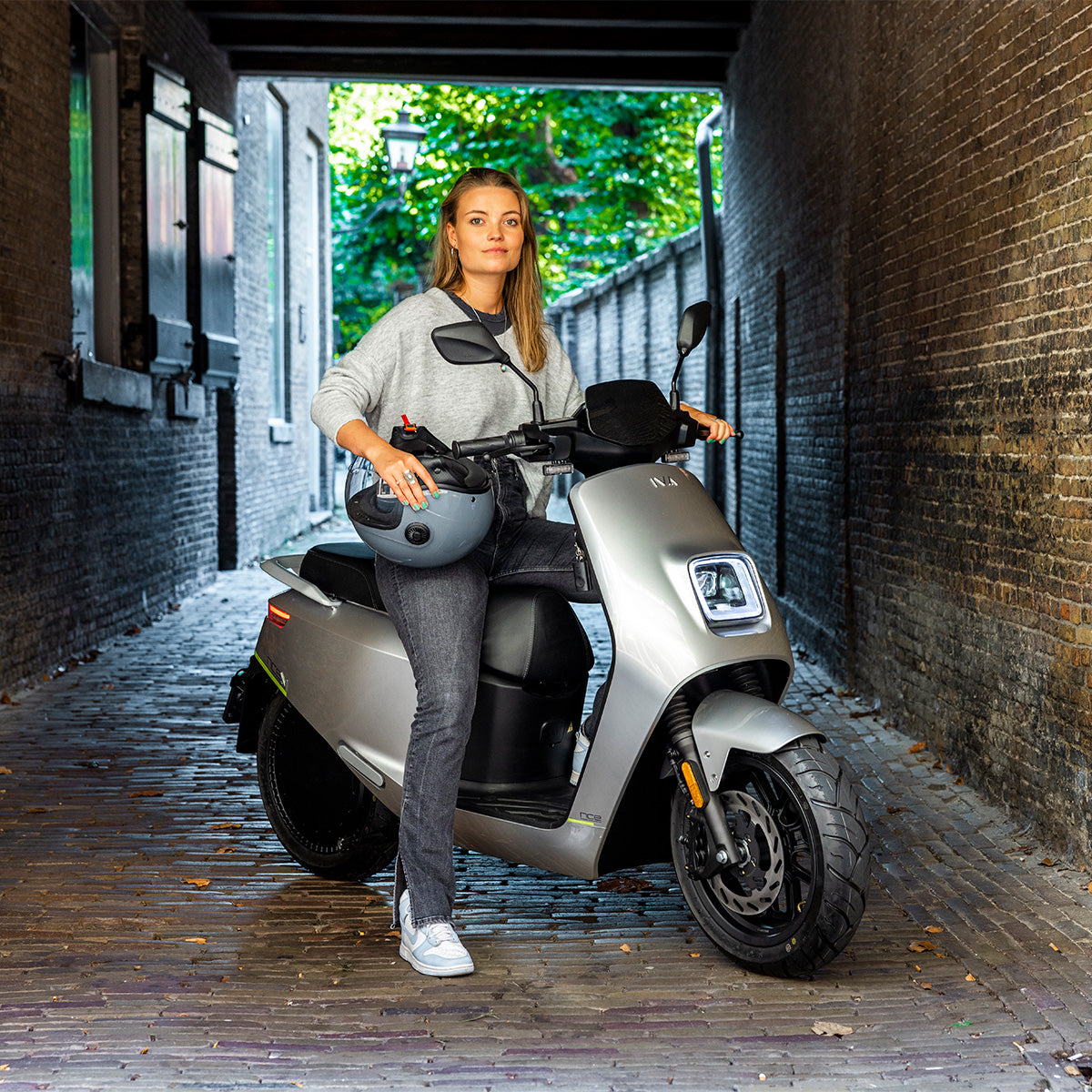
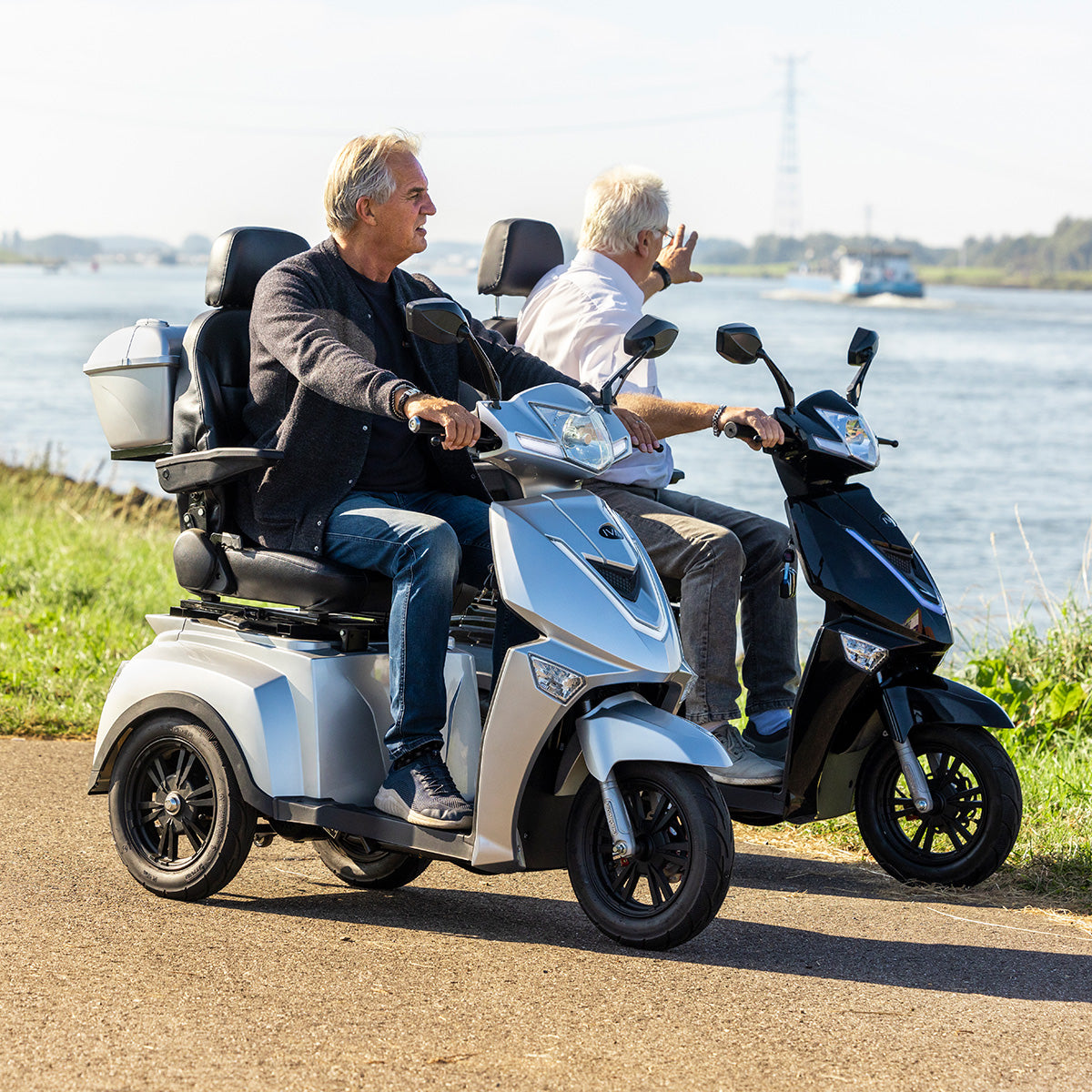
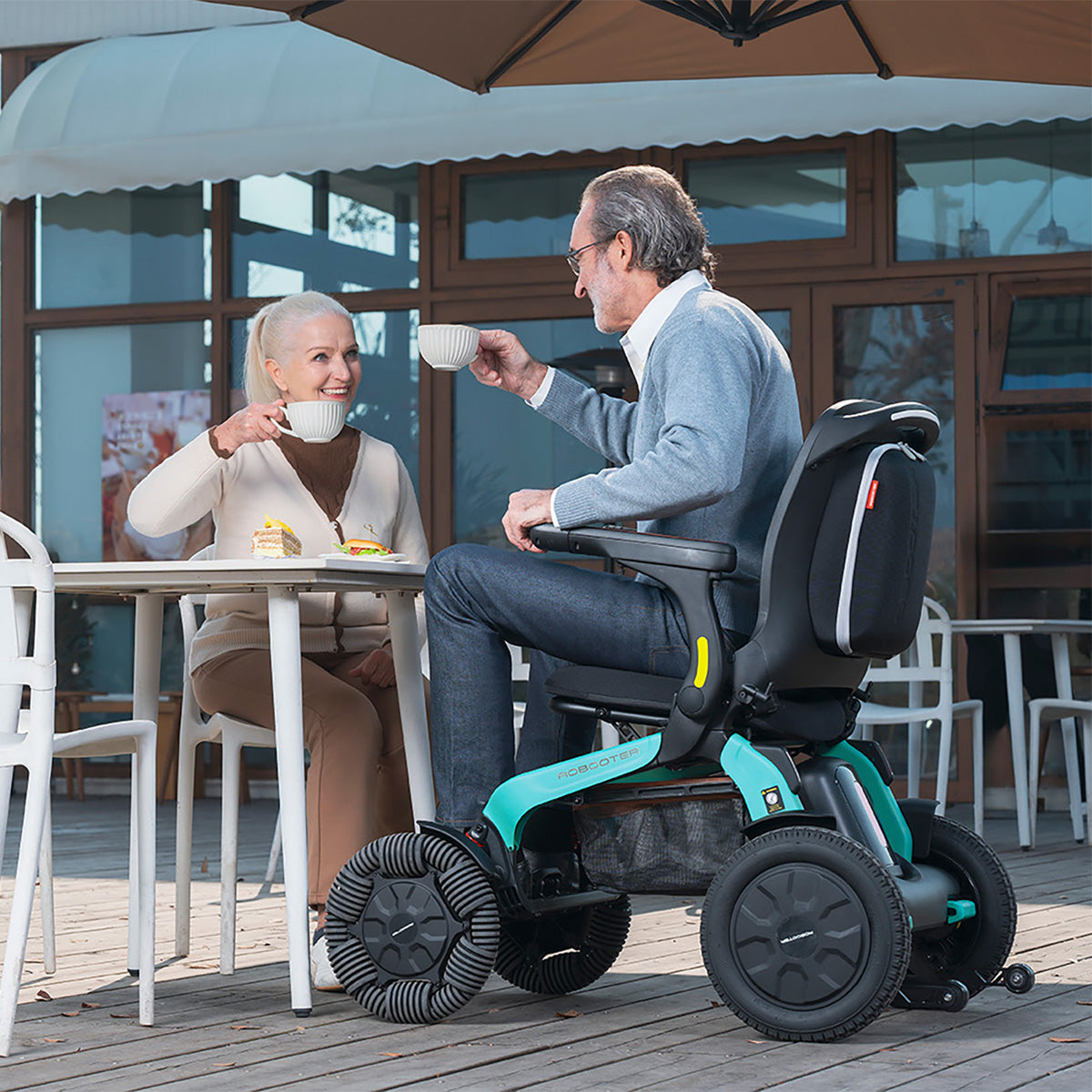








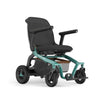
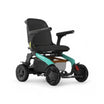
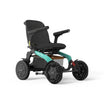
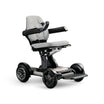
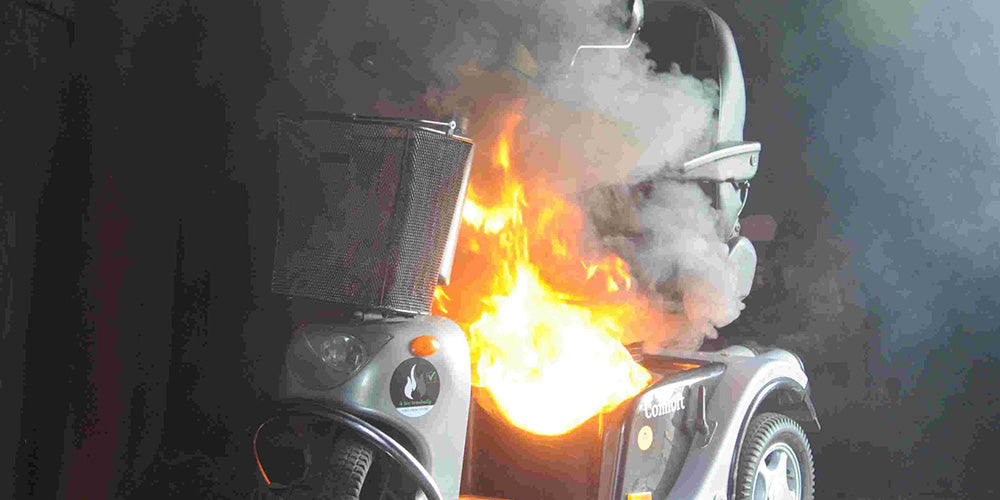
A mobility scooter gives you daily freedom, but the lithium-ion battery that powers it requires careful handling. Fires involving electric vehicles regularly make the news, as do the regulations surrounding them. mobility scooter fire safety has become stricter in 2026 — especially if you live in an apartment or a homeowners' association building. In this guide, you will read exactly how high the fire risk really is, how to safely store and charge your mobility scooter, which rules apply, and what to do if something does go wrong.
The approach is practical: no isolated warnings, but one coherent framework for safe ownership and use. Whether you have just purchased your first mobility scooter or have been riding for years, after this guide you will know what to check today and what to adjust this month to reduce the risk to virtually zero.
Table of contents
- 1. How flammable is a mobility scooter actually?
- 2. Safe storage: at home, in the barn, and in a homeowners' association building
- 3. Responsible charging: socket, extension cord, and charging point
- 4. Insurance and regulations regarding mobility scooter fires
- 5. What to do in the event of a fire incident — step-by-step plan
- Frequently Asked Questions
Key points in brief
- A well-maintained mobility scooter with the original battery and charger has a very low fire risk — incidents almost always occur due to damaged batteries, incorrect chargers, or unsafe storage.
- Since 2024, the Buildings and Living Environment Decree prohibits mobility scooters in common corridors and escape routes of residential buildings in virtually all cases.
- Preferably charge your battery during the day, in a dry place, on a flat surface, and never next to flammable materials.
- A standard extension cord is not recommended — preferably use a fixed wall socket.
- A mobility scooter insurance policy with comprehensive coverage usually covers fire damage — however, do check your policy for exclusions regarding "improper maintenance".
- In the event of a burning lithium battery, extinguish with powder or a special lithium extinguisher, never with water; call 112 immediately and leave the room.
1. How flammable is a mobility scooter actually?
A mobility scooter is an electric vehicle with a lithium-ion or lead-acid battery, an electric motor, and a set of electronic control components. The fire risk lies almost exclusively in the battery and the surrounding wiring. Concrete figures from the Fire Department show that the number of battery fires in light electric vehicles is increasing, but that the vast majority can be traced back to three causes: a damaged battery cell, an unsuitable charger, or a charging session in an unsuitable environment.
Which components pose the real risk?
The lithium battery is by far the most vulnerable component. Thermal runaway can occur within it — a chain reaction in which one defective cell overheats and drags down the adjacent cells. Additionally, loose plug connections, corroded connectors, and an overloaded motor are potential risks. At IVA, all mobility scooters are assembled with components from leading brands such as Bosch, Samsung, and Panasonic, precisely because battery quality makes the difference between years of worry-free riding and an unexpected incident.
When is the risk increased?
The risk increases as soon as you deviate from the factory configuration: a dropped battery, a counterfeit charger from a marketplace, charging next to flammable storage, or a mobility scooter that has been standing unused in a damp shed for months. Intensive use without periodic maintenance also counts. Do you have a second-hand mobility scooter? Then always have a dealer read the battery data before you put it into use.
Conclusion: The inherent risk of a well-maintained mobility scooter is small, but it increases dramatically with damage, counterfeit parts, or unsafe storage. Anyone who adheres to the manufacturer's specifications drives safely.
2. Safe storage: at home, in the barn, and in a homeowners' association building
Safe storage means that a mobility scooter is parked in a place where a potential fire cannot spread to the resident, other possessions, or escape routes. The ideal storage location is dry, ventilated, out of direct sunlight, and at least 1 meter away from flammable materials such as curtains, wood, or stored paper.
Stables in a single-family home
Do you have your own shed, garage, or storage space? Then you have flexibility, provided you follow three rules. Do not store the mobility scooter directly in the sun behind glass (temperatures in a shed can exceed 40°C in the summer). Do not leave it outside permanently; moisture and frost damage the battery. And make sure you can access it quickly with a wet cloth or fire extinguisher — not all the way at the back among clutter.
Stabling in an apartment or HOA building
Since 2024, the Buildings and Living Environment Decree (Bbl) has been tightened. In virtually all cases, mobility scooters may no longer be stored in common corridors, stairwells, or escape routes of residential buildings. The background: in the event of a fire, a mobility scooter obstructs the escape route and accelerates the fire due to the battery. Many municipalities, including Almere and Rotterdam, have additional local policies.
The practical solutions are: a separate, fire-resistant enclosed storage unit for mobility scooters in the building, a private storage unit on the ground floor, or an individually available parking box. Does your Owners' Association not yet have a provision? Ask the board to conduct an inventory — the responsibility lies with the owners collectively, and in the event of a fire, liability can be substantial.
No longer in the hallway: what are your options?
As an alternative, more and more residents are considering a foldable mobility scooter. It fits in a storage room, elevator, or even in a spacious apartment hallway. Do you have a home with a separate storage room on the ground floor? Then a compact fixed mobility scooter perfectly suitable, provided the storage area is fire-resistant and equipped with smoke and heat detectors.
Conclusion: Store in a dry, ventilated, fire-separated space. Since 2024, apartment residents are in virtually no cases allowed to store in common hallways — arrange an alternative in good time.
3. Responsible charging: socket, extension cord, and charging point
Responsible charging means: the right charger on a suitable power supply, in a safe location, and for the correct time. The factory battery charger supplied with your mobility scooter is matched to the voltage, amperage, and charging profile of that specific battery. A non-standard charger is the second-largest cause of mobility scooter battery fires in the Netherlands.
Wall socket: fixed rather than an extension cord
A charging session for a mobility scooter lasts 6 to 10 hours and draws 200 to 600 watts. This is not an extreme load, but a thin extension cord or a reel that is not fully unrolled can overheat. Preferably, plug the charger into a fixed wall socket. Do you really need an extension cord? Then use a 3-core cable with a thickness of at least 1.5 mm², unroll it completely, and store it in a dry place.
How long to charge and how often?
A lithium-ion battery in a modern mobility scooter fully charges in 6 to 8 hours. A lead-acid battery takes 8 to 10 hours. Preferably charge to 100% after use, and no longer than the charger indicates.Many modern IVA chargers automatically switch to trickle charging as soon as the battery is full, but disconnect it after 12 hours anyway. Daily charging is allowed — frequency hardly harms a lithium battery, provided you do not let it run completely empty.
Charge indoors or outdoors?
Charging indoors is permitted, provided you are not in a living room with many flammable materials, under the stairs (which must remain clear as an escape route), or in a bedroom. A ventilated storage room or utility room is the best compromise. Charging outdoors is possible, but protect the charger from rain — a charger is not waterproof. A dedicated mobility scooter charging point in a communal storage area is recommended for Owners' Associations.
Conclusion: Always use the original charger, plug it into a fixed wall socket, charge in a ventilated, non-flammable area, and disconnect as soon as the battery is full.
4. Insurance and regulations regarding mobility scooter fires
The legal side of mobility scooter fire safety is often overlooked until things go wrong. Two things get mixed up: the mandatory third-party liability insurance that covers damage to third parties, and the additional comprehensive coverage that protects your own mobility scooter against fire, among other things. A good compare mobility scooter insurance You do this for these two components separately.
What does a standard mobility scooter insurance policy cover in the event of fire?
Third-party liability insurance covers fire damage to others, for example, if your battery causes a fire in a shared storage area and damages someone else's property. Damage to your own mobility scooter falls under comprehensive (all-risk) insurance. With most insurers, comprehensive coverage applies to fire, theft, and collision. Pay attention to exclusions: "improper maintenance," "use of non-original parts," or "charging with a charger not supplied" are policy clauses that will cause you immediate problems in the event of a claim.
What rules apply from the government and the municipality?
Nationally, the Buildings and Living Environment Decree (Bbl) applies, which has prohibited the storage of mobility scooters in escape routes of residential buildings since 2024. Locally, municipalities may establish additional rules. Almere, for example, has a digital mobility scooter storage policy. Rotterdam operates with a permit requirement for communal storage facilities. Check your municipal website for current regulations.
HOA liability in case of fire
In the event of a fire in a common area, the Owners' Association as a whole is responsible for complying with the rules. If it is established that a mobility scooter was parked in an escape route — while this is prohibited — the Owners' Association can be held liable for the damage and insurers may refuse to pay out. As a resident, always document in writing where you are permitted to park your mobility scooter and with what facilities.
Conclusion: Take out comprehensive insurance for fire damage to your own vehicle, read the exclusions, and follow national (Bbl) and municipal regulations regarding parking. This prevents both material and legal damage.
5. What to do in the event of a fire incident — step-by-step plan
If things go wrong despite all precautions, every second counts. A lithium fire develops differently from an ordinary fire: it spreads faster, emits toxic smoke, and is almost impossible to extinguish with water. A pre-known step-by-step plan prevents panic.
Recognizing early signs
A defective lithium battery often announces itself days to weeks before a fire. Watch out for these signs:
- The battery becomes warmer than lukewarm during or after charging.
- A sweet, chemical smell is coming from the battery housing.
- The casing is swollen or deformed.
- The loading time changes noticeably (much shorter or much longer than normal).
- The range suddenly drops sharply.
One of these signals is reason to immediately stop charging, disconnect the battery, and call the dealer. Do not ride it anymore.
Step-by-step plan for a fire starting
- Turn off the power — unplug the charger from the socket, provided you can do so without risk.
- Leave the room and slams the door shut behind you to cut off oxygen.
- Call 112 and explicitly state: "lithium battery fire". The fire department will then arrive with the appropriate extinguishing equipment.
- Do not try to extinguish with water. Water reacts with lithium and can make the fire worse.
- At a small, budding fire A lithium fire extinguisher or fire blanket can work — only use it if the fire is small and easily accessible.
- Warn neighbors in an apartment, especially if smoke detectors in the hallway go off.
Prevention checklist — do this this week
- Check if you are still using the original charger.
- Check if the battery is lukewarm, not hot, after a charging session.
- Inspect the plug and cable for fraying or dark discoloration.
- Schedule a maintenance service if the last one was more than 12 months ago.
- Check your policy conditions for fire and hull coverage.
- Inquire (within a Homeowners' Association) where the official parking spot is.
Conclusion: Recognize the signs early, call 112 immediately in case of fire, and never extinguish with water. A well-thought-out step-by-step plan is cheaper than a damage payout.
Frequently asked questions about mobility scooter fire safety
How high is the fire risk of a mobility scooter?
The inherent fire risk of a new mobility scooter with original parts is very low — measured nationally, a few dozen incidents per year out of hundreds of thousands of vehicles. However, the risk increases sharply with damaged batteries, counterfeit chargers, and storage in unventilated spaces. Proper maintenance keeps the risk at virtually zero.
Am I allowed to park my mobility scooter in a residential building or homeowners' association?
Since 2024, this is virtually no longer permitted in common corridors, stairwells, or escape routes. The Buildings and Living Environment Decree (Bbl) prohibits this nationwide. Fire-resistant partitioned mobility scooter storage, private storage units, or individual parking boxes are permitted. Ask your Owners' Association board which provision applies to you.
Is it safe to charge a mobility scooter indoors?
Yes, charging indoors is safe in a ventilated area such as a storage room or utility room, provided there are no flammable materials within 1 meter. Avoid charging in a bedroom or directly under stairs. Place the mobility scooter on a flat, fireproof surface and disconnect the charger as soon as the battery is full.
May I use an extension cord to charge?
It is not recommended. A charging session draws several hundred watts for 6 to 10 hours, and a thin extension cable can overheat. If there is absolutely no other option: use a 3-core cable with a minimum cross-section of 1.5 mm², unroll it completely, and store it in a dry place. Using a reel fully coiled is dangerous.
How long does it take to charge a mobility scooter battery?
A lithium-ion battery fully charges from nearly empty in 6 to 8 hours. A lead-acid battery takes 8 to 10 hours. Most modern IVA chargers automatically switch to trickle charging as soon as the battery is full, but disconnect it after a maximum of 12 hours to be safe. Charging daily between 30 and 80% is the healthiest charging rhythm for lithium batteries.
How much does a charging session for a mobility scooter cost?
A full charging session consumes 1.5 to 4 kWh, depending on the battery size. At the average Dutch electricity rate of € 0,30 per kWh that amounts to € 0,45 to € 1,20 per charge. So, driving daily per month costs between € 15 and € 35 on electricity. That is significantly cheaper than petrol or public transport.
Does my mobility scooter insurance cover fire damage?
Legally required third-party liability insurance covers fire damage to others (for example, a neighbor who is burned along with you by your battery). Damage to your own mobility scooter is covered only by comprehensive or all-risk insurance. Read the policy for exclusions such as "non-original maintenance" or "use of a different charger" — these are often invoked in fire claims.
How do I recognize a defective lithium battery before it catches fire?
Note: a battery that is warmer than lukewarm after charging, a swollen or deformed casing, a sweet chemical smell, a noticeably shorter range, or a charging time that suddenly deviates significantly. Any of these signs is reason to stop charging immediately, disconnect the battery, and contact the dealer.
What should I do in case of a burning lithium battery?
Unplug the charger, leave the room, close the door, and call 112 reporting "lithium battery fire". Never extinguish with water. You may only use a lithium extinguisher or fire blanket in the event of a small, easily accessible, incipient fire. Immediately warn neighbors in an apartment and wait for the fire department.
What rules apply in 2026 to the storage of mobility scooters in corridors?
The Buildings and Living Environment Decree (Bbl) prohibits the storage of vehicles in common corridors, porches, and escape routes of residential buildings nationwide. Municipalities may establish additional local rules — Almere, Rotterdam, and Amsterdam, for example, have their own storage policies. Ask your municipality or Owners' Association board which facilities are available to you.
Ready to hit the road safely?
Fire safety is no accident: it is the sum of a well-maintained battery, a responsible storage location, correct charging habits, and the right insurance. View our mobility scooter range if you are ready for a modern mobility scooter with a top-quality battery, or contact our customer service for questions regarding maintenance, chargers, or storage advice. For the official national brochure, we refer to the Fire Department mobility scooter booklet.


Leave a comment
This site is protected by hCaptcha and the hCaptcha Privacy Policy and Terms of Service apply.