

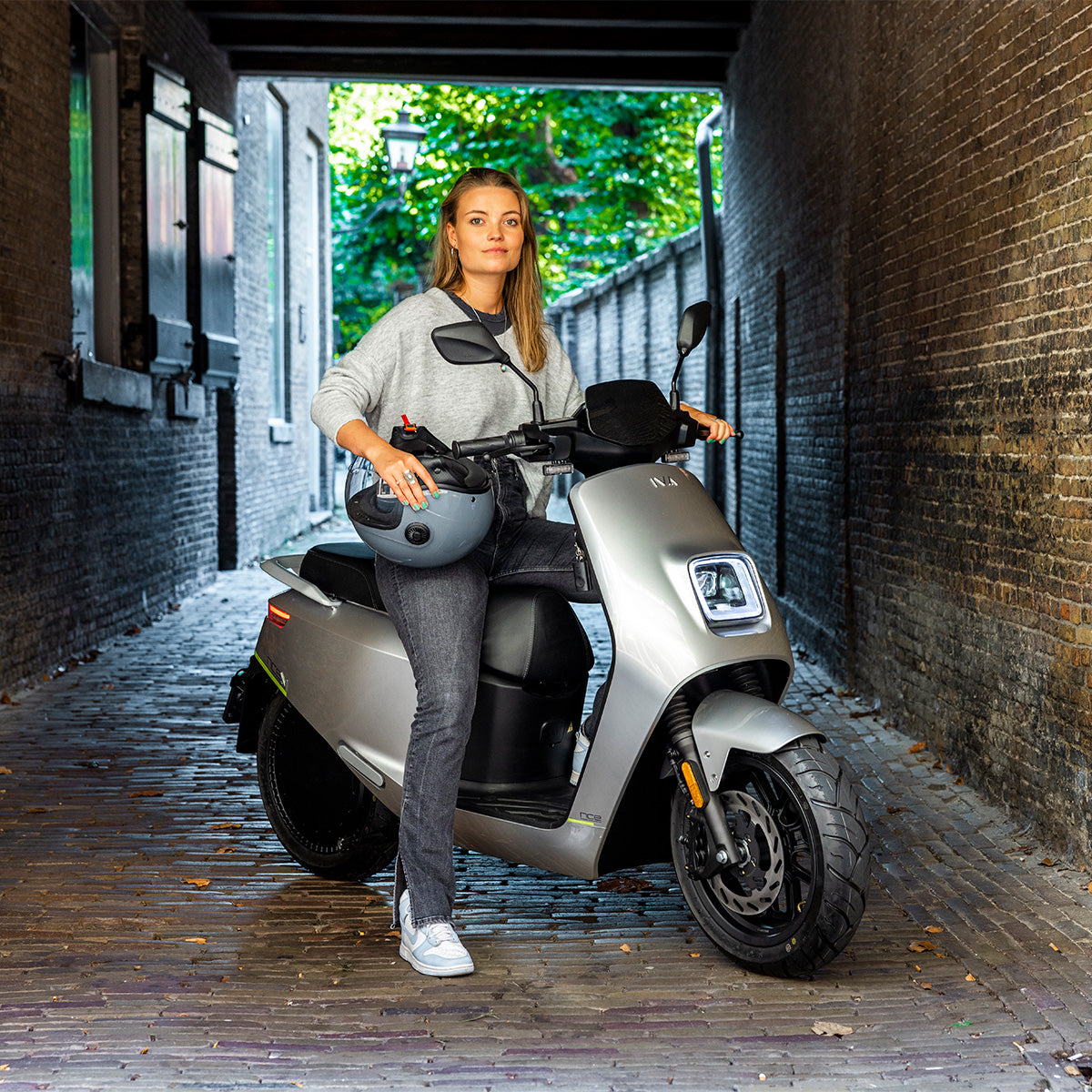
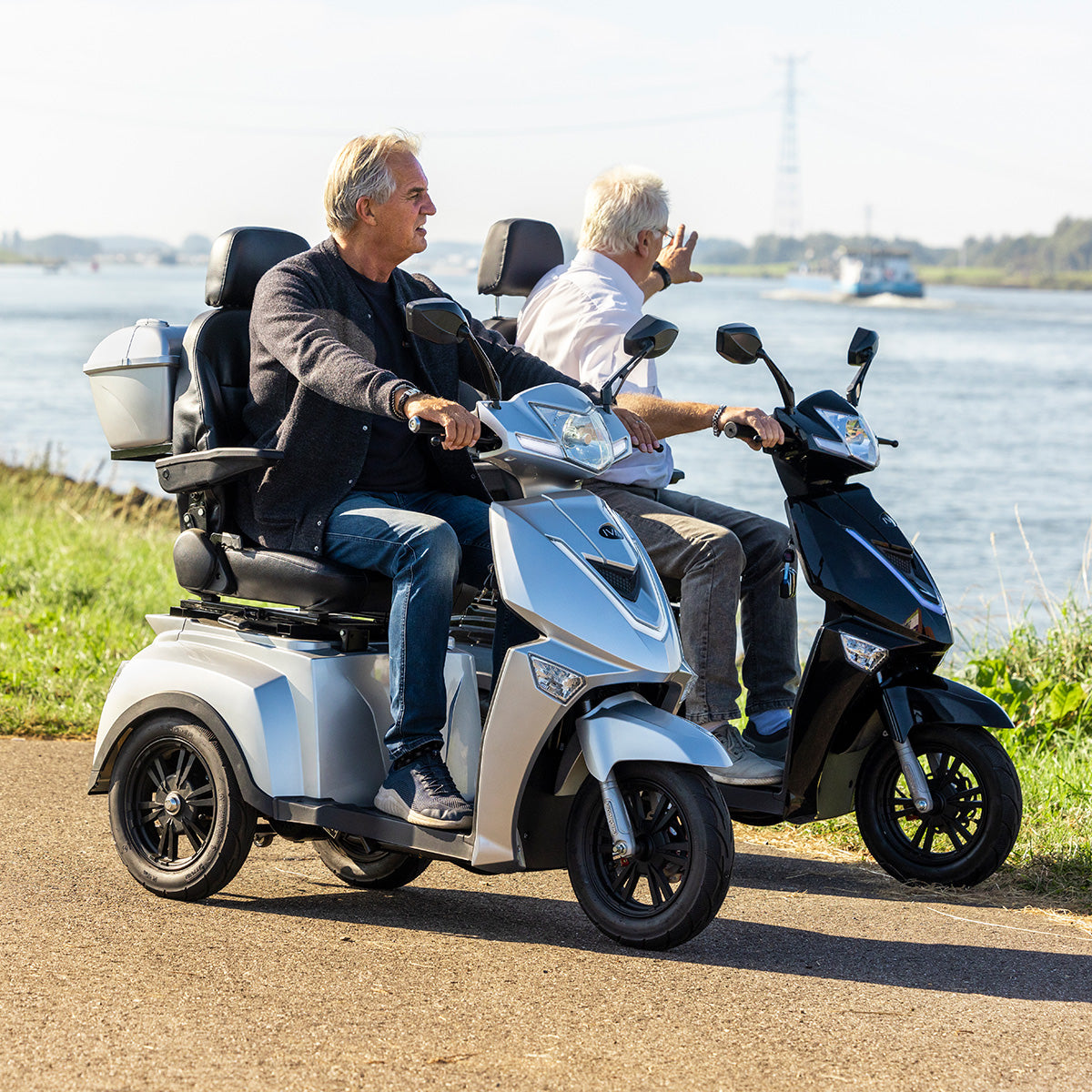
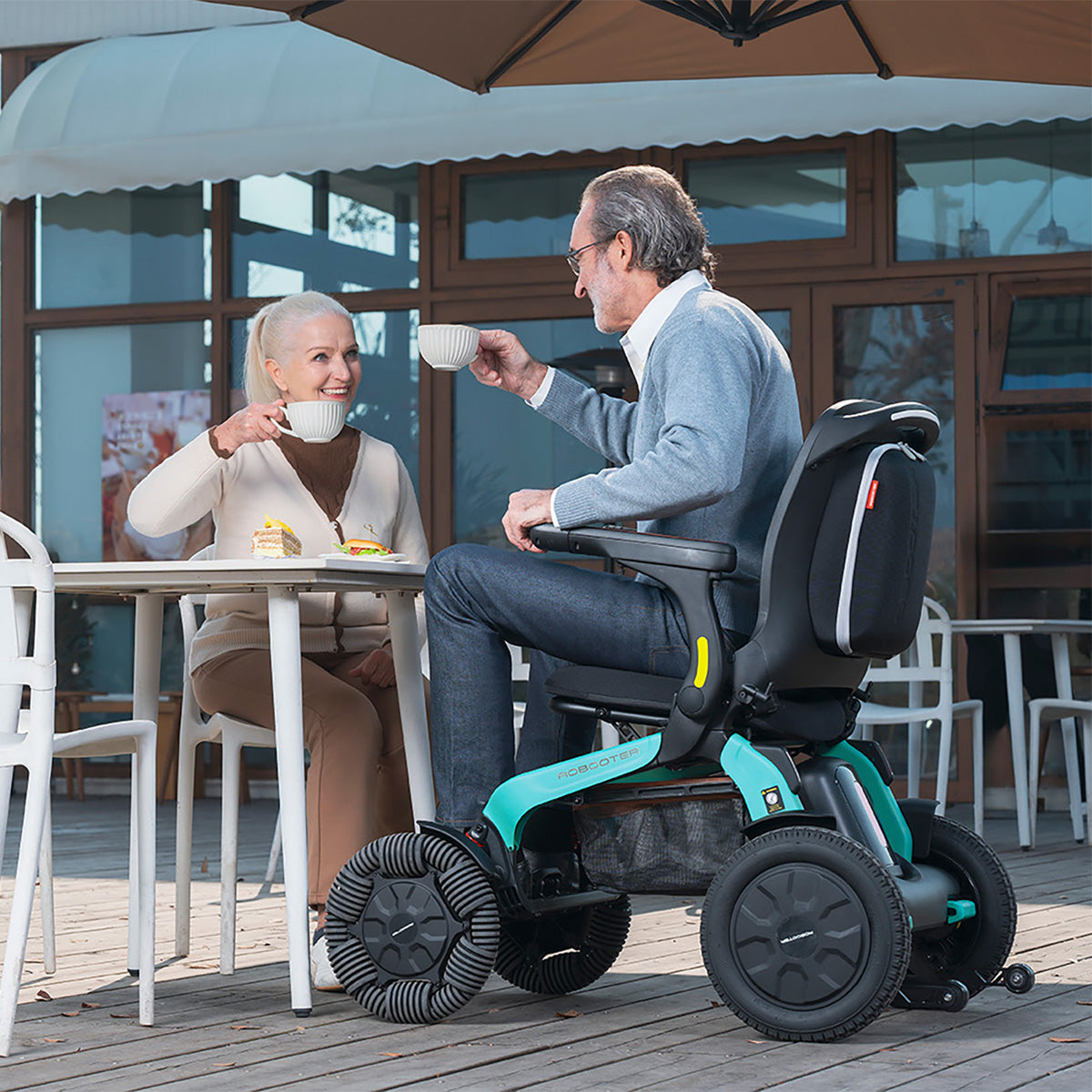
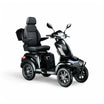
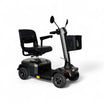
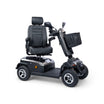
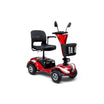
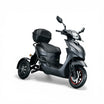
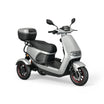
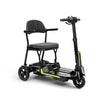

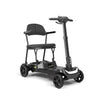
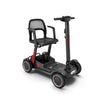
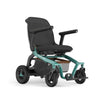
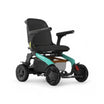
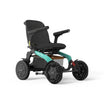
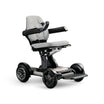
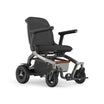
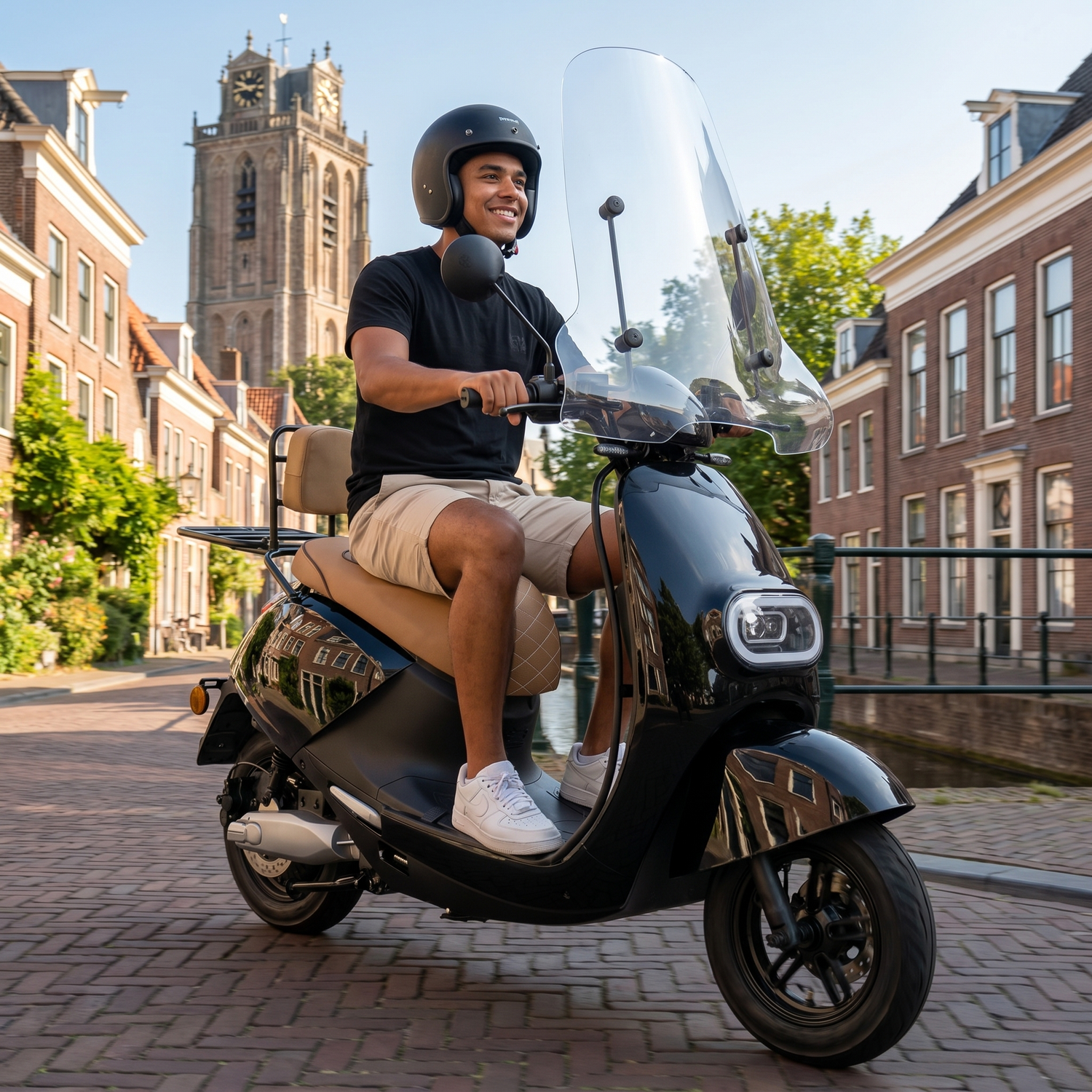
Buying an electric scooter in 2026 requires more than a nice brochure and a low price. You will have to deal with stricter environmental zones, new rules regarding speed and helmets, and a market flooded with no-brand import models for which you can no longer find parts after a year. The question is therefore not only which scooter you buy, but Where you buy and which partner stands behind the vehicle.
This guide from IVA Mobility outlines what an electric scooter will really cost in 2026, which models suit your daily commute, and which specs to look out for to avoid disappointment. We base our recommendations on realistic consumption figures, applicable Dutch regulations (Government of the Netherlands, RDW, SWOV), and 15 years of experience with service and parts in the Benelux. No marketing promises — just clear choices.
Table of contents
- Why buying an electric scooter in 2026 is a smart move
- The technology: motor, battery, and actual range
- 25 km/h or 45 km/h: which suits your ride?
- Checklist: what to look out for when purchasing?
- Why buy an electric scooter from IVA Mobility
- Frequently Asked Questions
Key points
- An electric scooter will cost on average in 2026 € 0,01 to € 0,02 per kilometer of electricity, as opposed to € 0,06 to € 0,08 for a petrol scooter — over 80% lower.
- Since 2023, you need both a helmet and an AM driving license in the Netherlands for both 25 km/h (light moped, blue license plate) and 45 km/h (scooter, yellow license plate).
- In practice, the average range of a new e-scooter is between 50 and 90 km — expect 20-30% less than the manufacturer's specification in cold, rainy, or passenger conditions.
- A high-quality lithium-ion battery lasts 6 to 10 years under normal use and retains at least 80% of its capacity after 500 charging cycles.
- Only buy from a brand with its own parts warehouse in the Netherlands — otherwise, you will be out of commission for 6 to 12 weeks after just one defect.
- IVA Mobility supplies via 200+ authorized dealers in the Benelux and keeps parts in stock for years, even for discontinued models.
Why buying an electric scooter in 2026 is a smart move
Buying an electric scooter in 2026 is the most logical choice for urban riders, both financially and legally. The combination of zero-emission zones, lower energy costs, and greatly improved battery technology makes petrol scooters increasingly impractical for daily use in cities.
Environmental zones determine where you are still allowed to drive.
Since January 1, 2025, 29 Dutch municipalities have been operating a zero-emission zone, including Amsterdam, Rotterdam, The Hague, and Utrecht. According to the National Government Fuel-powered mopeds and light mopeds are being phased out of those zones. By 2026, the policy in virtually all major cities will be strict: if you ride electric, you can go anywhere. If you ride petrol, you risk fines or being refused entry at the city gates.
For commuters and delivery drivers, this means one thing: purchasing a new scooter that not In 2026, anything electric is an investment with an increasingly shorter shelf life. The residual value of petrol scooters is visibly declining, while the second-hand market for electric models is actually picking up.
The calculation: what does an electric scooter cost in electricity and maintenance?
An electric scooter consumes an average of 1.5 to 2.5 kWh per 100 kilometers. At an electricity price of € 0,30 per kWh you end up with approximately € 0,45 to € 0,75 per 100 km.A petrol scooter consumes 2.5 to 3.5 liters of petrol with the same usage — that is € 5,25 to € 7,35 per 100 km. The saving is therefore € 5 to € 7 per 100 km, or more than 85% on fuel.
On top of that, you save on maintenance. An electric motor has no oil, no spark plugs, no filters, no V-belt, and no clutch. As a result, the annual maintenance service is faster and cheaper. On average: € 75 to € 140 per year as opposed to € 180 to € 300 for a comparable petrol scooter.
Concrete example: If you drive 5,000 km per year (commuting + groceries), you save around the € 280 on fuel and € 100 to € 160 on maintenance. Over a period of five years, that amounts to more than € 2.000.
Fiscal and local incentives in 2026
For entrepreneurs, the MIA (Environmental Investment Deduction) and VAMIL remain relevant. If you purchase an electric company scooter, you can deduct up to 45% of the investment amount from your profit. In addition, municipalities such as Amsterdam and The Hague periodically offer local scrapping schemes under which you can... € 1.500 receive a reimbursement when you trade in an old fuel-powered scooter. Always check the current conditions with your municipality — the budget is limited annually.
The short conclusion: in 2026, electric riding will no longer be the most expensive, but the cheapest option over the entire lifespan of the scooter.
The technology: motor, battery, and actual range
The three components that make the difference in an electric scooter are the motor, the battery, and the charging system. Anyone who understands these three sees through 90% of the marketing claims and chooses a scooter that still covers the same distance even after three winters.
The motor: brushless hub motor in the rear wheel
Virtually all modern electric scooters use a brushless direct current (BLDC) motor mounted directly in the rear wheel. No chain, belt, or transmission is required. This reduces wear points and provides an energy efficiency of around 90%.
What power do you need?
- 1,500-2,000 W: More than sufficient for solo riding on flat terrain, ideal for 25 km/h mopeds.
- 2,500-3,000 W: Recommended for 45 km/h mopeds, heavier use, a passenger, or hilly terrain (Veluwe, South Limburg).
- 4,000 W and higher: sportier models such as the IVA E-GO S5, with better acceleration and higher top speed.
Lithium-ion versus lead-acid: always choose lithium
A lithium-ion battery has three times the energy density of a lead-acid battery, weighs 10 to 12 kg instead of 25 to 30 kg, and lasts much longer. At IVA Mobility, only lithium-ion batteries are used — often with a removable module, so you can charge indoors if you do not have a driveway or garage.
Important specs to look out for:
- Voltage (V): usually 48V, 60V, or 72V. Higher = more power and better acceleration.
- Capacity (Ah): determines the range together with the voltage. Rule of thumb: V × Ah × 0.7 = usable Wh.
- Cycles up to 80%: A good lithium-ion battery achieves 800 to 1,500 full charge cycles before the capacity drops below 80%.
- BMS (Battery Management System): Monitors temperature, balances cells, and prevents overloading. Indispensable.
The actual range: why the brochure value is never accurate
Manufacturers measure range under ideal conditions: a 70 kg rider, a constant 25 km/h, 20 °C, smooth asphalt, and no wind. In Dutch practice, that is rarely the reality.Therefore, take these correction factors into account:
- Winter (below 10 °C): up to 25% less range due to slower chemical reactions in the battery.
- Duo passenger: approximately 20% less.
- Tire pressure 0.3 bar too low: 5 to 8% additional loss.
- Constant 45 km/h instead of 25 km/h: approximately 30% more consumption.
A manufacturer's stated range of 80 km quickly becomes 50 to 55 km in the winter with a passenger. So don't plan by the brochure, but based on a realistic 60 to 70% of the stated value.
Five tips to maximize your battery life
- Charge the battery before it drops below 20% — deep discharge is fatal to lithium cells.
- Preferably store and charge between 15 and 25 °C, not in an ice-cold shed or in direct sunlight.
- Use only the supplied original charger. Universal chargers cause voltage spikes.
- Is the scooter going to be stationary for a long time? Then charge the battery to 60% and disconnect — not at 0% or 100%.
- Perform a full charge and discharge cycle at least once a month to balance the cells.
Do you want to know which battery pack suits your weekly mileage? Check the specs of the IVA E-GO S4, E-GO S5 and IVA NCE Pro and compare the usable range per model.
25 km/h or 45 km/h: which suits your ride?
A light moped (25 km/h, blue license plate) and a light scooter (45 km/h, yellow license plate) differ not only in speed. They differ in where you are allowed to ride, what insurance you need, and how quickly you reach your destination. Since 2023, both require a helmet and an AM driving licence.
Moped (25 km/h, blue license plate)
A light moped is ideal for short city rides of up to 10 km, for whom maneuverability and convenience are more important than speed. According to the SWOV In most municipalities, light mopeds ride on the road; they are only permitted on the cycle path where no separate rules apply. In Amsterdam, for example, light mopeds have been required to ride on the road with a helmet requirement since 2019.
Advantages:
- No helmet inspection required — a speed pedelec helmet or bicycle helmet suffices in many cases.
- Lower insurance premium (third-party liability from approx. € 8 per month).
- Lighter and more agile in busy traffic.
Disadvantages:
- Too slow for longer commutes — above 8 km it gets really long.
- On the roadway, you can slow down traffic, which provokes dangerous overtaking maneuvers.
Moped (45 km/h, yellow license plate)
A light moped reaches 45 km/h and is allowed on all roads where mopeds are welcome. For commuters who drive 10 to 25 km daily, this is almost always the right choice: you ride along with the traffic, you easily keep up with the pace of cars in the city, and during rush hour you are often faster than the car itself.
Advantages:
- Full-fledged car replacement for medium distances.
- Up to 40% faster travel time than a light moped for a 10 to 20 km commute.
- Better suited for 80 km/h zones around villages and cities.
Disadvantages:
- Slightly higher insurance premium (third-party liability from approx. € 11 per month).
- Stricter helmet requirement: only an approved moped or motorcycle helmet (no bicycle helmet).
Which one do you choose?
Ask yourself three questions:
- How many kilometers do you drive per day? Under 10 km one way: moped fine.Above 10 km/h: moped.
- What is the nature of your route? Especially 30 km/h zones in the city center: moped. 50 km/h roads and suburban routes: scooter.
- What is your time pressure? Anyone who has to face rush hour every morning saves a lot of travel time at 45 km/h.
The IVA E-GO S4 is available as both a 25 km/h and a 45 km/h, so you can choose the same scooter in the variant that suits your ride. For those seeking even more power — for example, for riding with a passenger or for strong acceleration — is the IVA E-GO S5 with its more powerful engine, the mature alternative.
Checklist: what to look out for when purchasing?
An electric scooter is a purchase of € 1.500 to € 5.000 which you ideally use for 7 to 10 years. Checking carefully for a few minutes before you decide saves a lot of disappointment later. Go through this checklist:
1. Build quality and frame
- Frame: Reinforced steel tubular frame, not thin-walled sheet metal. Feel if the frame feels sturdy around the main tube section.
- Bodywork: ABS plastic with UV protection retains its color after 3 years. Cheap alternatives turn chalky.
- Waterproofing: Electrical components with IP65 certification or higher. This means: dustproof and resistant to water jets.
2. Battery and warranty conditions
- Standard 2-year warranty on the battery, with an explicit capacity guarantee (for example: minimum 80% capacity after 500 cycles).
- Preferably a removable battery — handy if you don't have a ramp.
- Ask if the battery can be replaced separately and what a new one costs. A replacement battery belongs € 400 to € 700 to be a midrange model.
3. Ergonomics and seat height
- A seat height between 760 and 800 mm fits most adults.
- Sit down yourself: feet flat on the floor, knees not against the leg shield.
- Check the handlebar position: straight back without leaning forward.
4. Brakes, lighting and safety
- Disc brakes on both the front and rear — preferably hydraulic.
- LED lighting with daytime running lights for visibility at dusk.
- Wheel chocks or an integrated alarm reduce the risk of theft by approximately 65%.
5. Parts supply (the most underestimated point)
This is where the market falls short. Many cheap import brands do not have their own stock in the Netherlands. If a lighting unit or brake lever breaks, you wait 6 to 12 weeks for shipment from Asia — if the part is even still manufactured.
Ask the dealer before you sign:
- Does the importer have a central warehouse in the Netherlands or the Benelux?
- How long do parts remain available after a model goes out of production?
- What percentage of standard repairs are completed within 5 working days?
IVA Mobility keeps parts in stock for every model sold for years, even for models that are no longer in production. That is precisely why a brand with its own importer role makes such a difference: you are not buying a disposable vehicle, you are buying a platform on which service remains available for years.
6. The test drive: what you really need to test
- Acceleration: linear and without jerks from a standstill.
- Brakes: Emergency stop from 30 km/h — immediate and controllable, without locking.
- Suspension: Drive consciously over a speed bump or cobblestone road. The rear suspension is supposed to dampen unevenness, not bottom out.
- Display: Readable in bright sunlight, even with sunglasses on.
Would you like to go through this checklist together with someone who knows the models? Find your nearest IVA dealer via the IVA Dealer Locator and schedule a test drive. Virtually all 200+ dealers have the S4 and NCE in stock for test drives.
Why buy an electric scooter from IVA Mobility
IVA Mobility has been the importer and distributor of electric scooters in the Benelux since 2011. The difference compared to many competitors lies not in the scooter itself — all modern e-scooters look alike on paper — but in what happens afterwards: service, parts, software updates, and warranty handling.
The IVA model range in 2026
IVA offers various model lines, each serving a specific user:
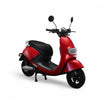
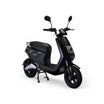
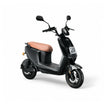
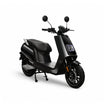
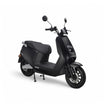
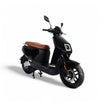
- IVA E-GO S4: Compact, agile, available as both 25 and 45 km/h. The all-rounder for city driving and commuting.
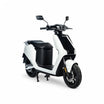
- IVA E-GO S5: More powerful, sportier, made for those who want a bit more punch and regularly ride with a passenger.
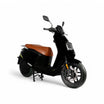
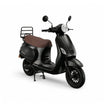
- IVA NCE Pro: Classic scooter design, comfortable riding position, suitable for those who want the Italian retro look without the fuel costs.
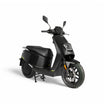
- IVA Rider 700: for those looking for a larger build and more stable handling at higher speeds.
You can find the complete overview on the scooters page from IVA Mobility.
200+ dealers — always one nearby
IVA works with 200+ authorized dealers in the Netherlands and Belgium. A dealer nearby means: shorter waiting times for maintenance, fast warranty processing, personal advice during the purchase, and professional delivery where you receive an explanation of the scooter's operation. No parcel from an unknown webshop, but a vehicle handed to you ready to ride.
Own parts warehouse
This is the biggest difference compared to unbranded import scooters. IVA Mobility manages its own central warehouse where 98% of common components are available immediately. A brake lever that breaks off, a lighting unit that fails, a fender that needs replacing — at IVA, this is taken care of within days instead of weeks.
Lifetime software updates
Modern e-scooters are improved via firmware updates, just like smartphones. An update to the Battery Management System can increase the usable range by 5 to 10%. IVA dealers perform these updates free of charge during the annual maintenance service.
In short: you are not buying a standalone scooter, you are buying a platform with service, parts, and continuous improvements — for the entire lifespan of the vehicle.
Frequently asked questions about buying an electric scooter
How much will an electric scooter cost in 2026?
A new electric scooter will cost on average between the in 2026 € 1.500 and € 5.000. An entry-level 25 km/h model starts around € 1.500 to € 2.200. A solid 45 km/h moped is between € 2.500 and € 3.800. Sporty models with a more powerful motor and removable battery cost € 3.800 to € 5.000. At IVA Mobility, you typically fall within the range for a fully equipped version with dealer service and a 2-year warranty. € 2.300 to € 3.900.
What is the best electric scooter?
The best electric scooter is the one that suits your weekly mileage, your route, and your budget. For city rides up to 10 km, a nimble 25 km/h moped is the best choice.For commuting between 10 and 25 km, a 45 km/h moped with a minimum usable range of 60 km is optimal. In the IVA line, the E-GO S4 is our best-selling all-rounder, and the E-GO S5 is the favorite for those who regularly ride with a passenger or want more power.
How many kilometers can you ride with an electric scooter?
In 2026, a new electric scooter will achieve a real-world range of 50 to 90 kilometers per battery charge, depending on the model. The manufacturer's stated range is usually 20 to 30% higher than what you achieve in real-world conditions in the Netherlands, because the measurement is taken under ideal conditions. Count on 30 to 50 kilometers in the winter and 70 to 90 kilometers in the spring and summer.
Is an electric scooter cheaper than a petrol scooter?
Yes, in 2026 an electric scooter will be over 80% cheaper per kilometer than a petrol scooter. You pay approximately € 0,01 to € 0,02 per km of electricity compared to € 0,06 to € 0,08 per km in fuel. Additionally, you save up to 50% on maintenance because there is no oil, spark plugs, filters, or V-belt. Over five years, the difference adds up to well over € 2.000 at 5,000 km per year.
Do you need a driver's license for an electric scooter?
Yes, in the Netherlands you need an AM driving licence for both a 25 km/h light moped and a 45 km/h light scooter. Anyone with a car driving licence (B) or motorcycle driving licence (A) is automatically allowed to ride an AM vehicle as well — a separate exam is not required in this case. The minimum age is 16. Third-party liability insurance and a valid registration number are always mandatory.
How long does the battery of an electric scooter last?
A lithium-ion battery in a modern electric scooter lasts 6 to 10 years with normal use. Technically, that is 800 to 1,500 full charge cycles before the capacity drops below 80% of the original. With average use of 3,000 to 5,000 km per year, you will comfortably reach these 6 to 10 years. A replacement battery typically costs € 400 to € 700.
How do you charge an electric scooter?
You charge an electric scooter using a standard 230 V socket in your home, garage, or shed. The included charger draws 350 to 600 watts, comparable to a refrigerator. A full charge takes 4 to 6 hours. If you don't have a driveway, models with a removable battery are a great solution — you lift the battery out and charge indoors.
How fast is an electric scooter allowed to go?
In the Netherlands, an electric light moped is permitted at a maximum speed of 25 km/h (designed top speed), and an electric scooter at a maximum speed of 45 km/h. These are legal limits that must be maintained by the design. Modifying the vehicle to increase its speed is prohibited and, upon being stopped, leads to the seizure of the vehicle plus a fine.
What are the annual maintenance costs?
The annual maintenance costs of an electric scooter amount to, on average, € 75 to € 140 per year. An electric motor has only about 20 moving parts, so you save on oil, oil filters, spark plugs, and the V-belt, which require annual replacement on petrol scooters. The costs mainly go towards tire checks, brake pads, battery status, and software updates.
How much does it cost to insure an electric scooter?
Third-party liability insurance for an electric moped starts around 2026. € 8 per month, for a moped around € 11 per month. For All-Risk coverage, you can expect an additional premium of 50 to 100%, depending on age, place of residence, and license plate value. The premium hardly differs from a petrol scooter — sometimes even lower, because electric scooters are less prone to theft thanks to built-in alarms.
Are there subsidies for buying an electric scooter?
For private individuals, there is no national subsidy for the purchase of an electric scooter in 2026. However, municipalities such as Amsterdam and The Hague periodically offer local scrapping schemes under which you can... € 1.500 receives compensation upon trading in an old fuel-powered scooter. For entrepreneurs, the MIA and VAMIL schemes apply, which can yield a tax benefit of up to 45% of the investment amount for business use.
View the full range of electric scooters at IVA Mobility and calmly compare the models side by side. Do you have a question about a specific model? You can find an IVA dealer near you via the dealer locator.

Leave a comment
This site is protected by hCaptcha and the hCaptcha Privacy Policy and Terms of Service apply.