

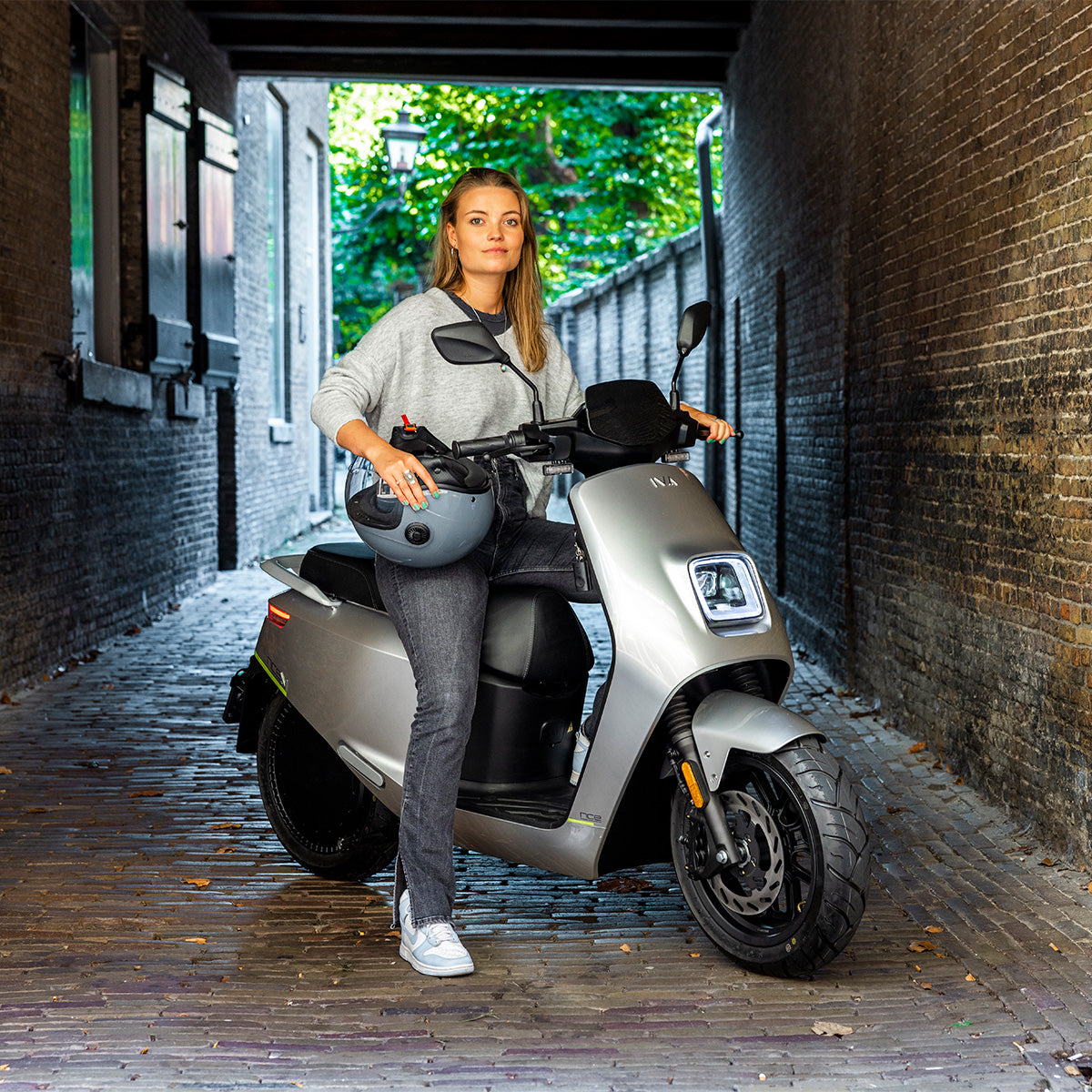
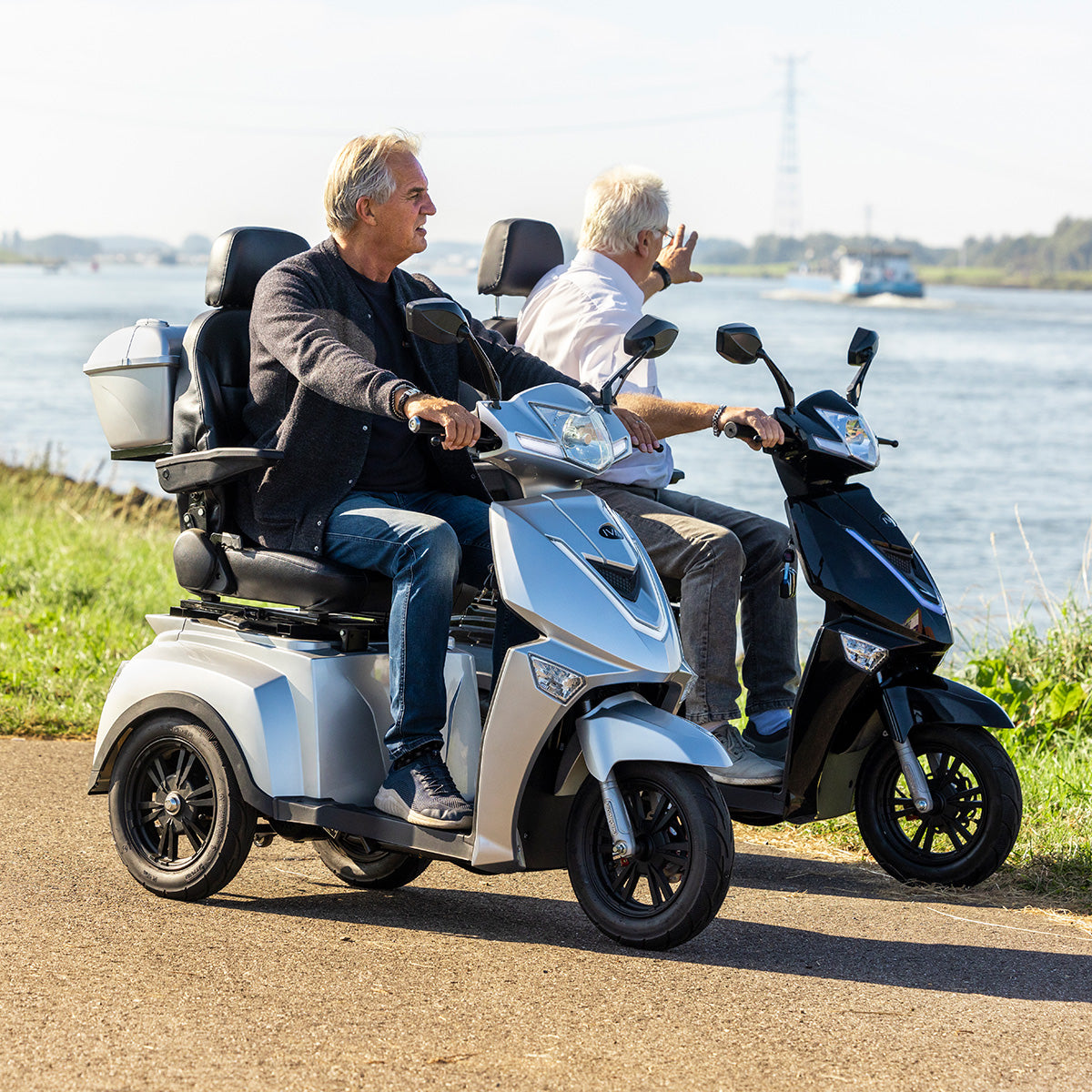
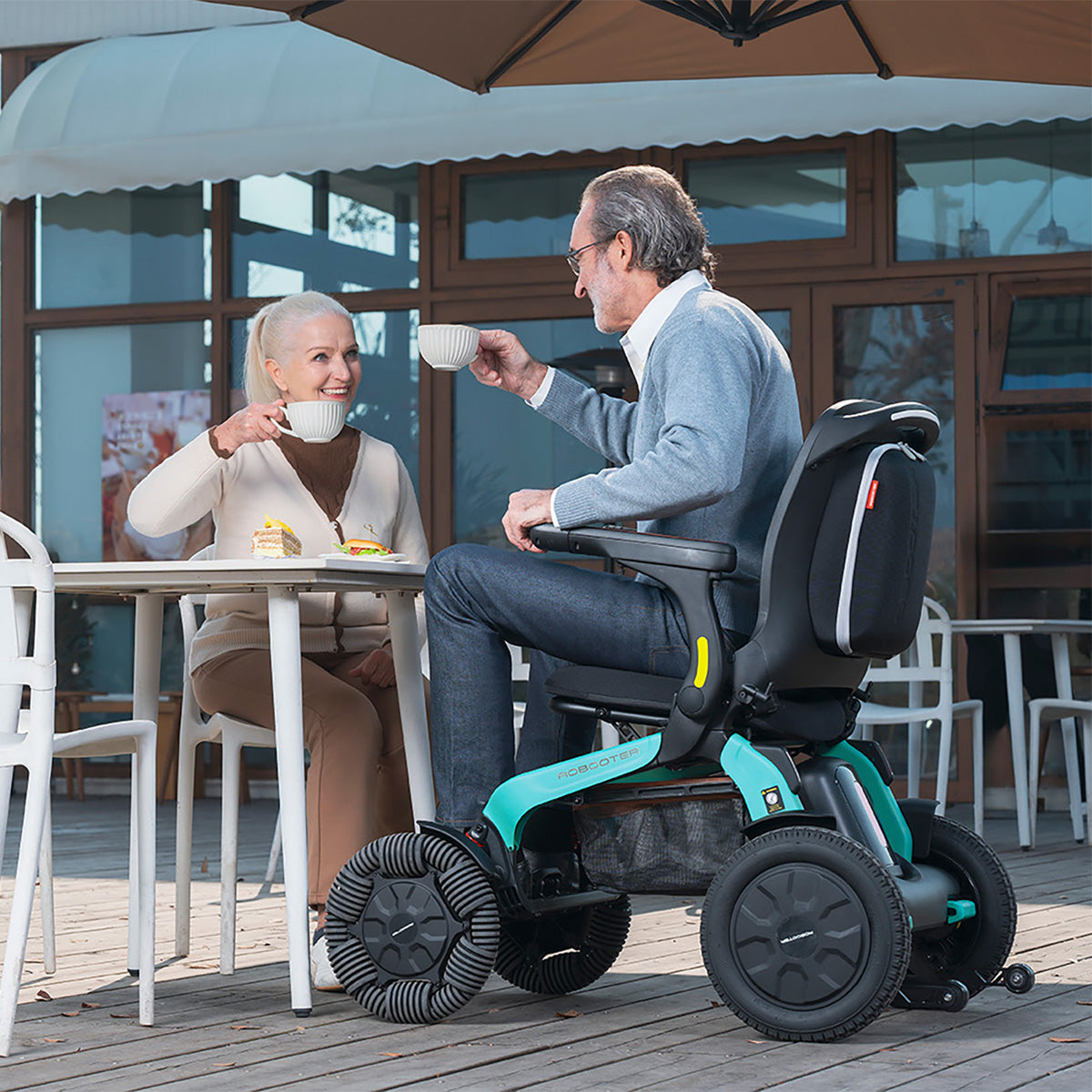
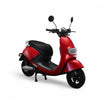
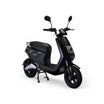
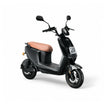
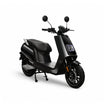
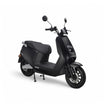
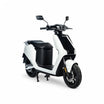
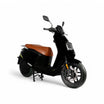
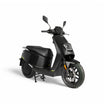
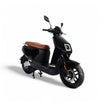
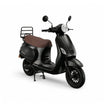
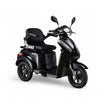
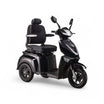
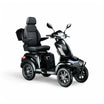
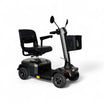
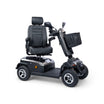
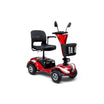
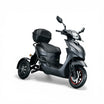
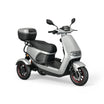
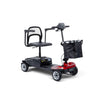
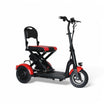
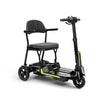

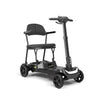
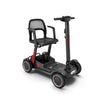
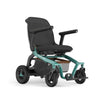
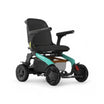
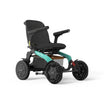
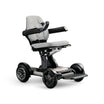
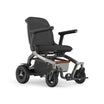
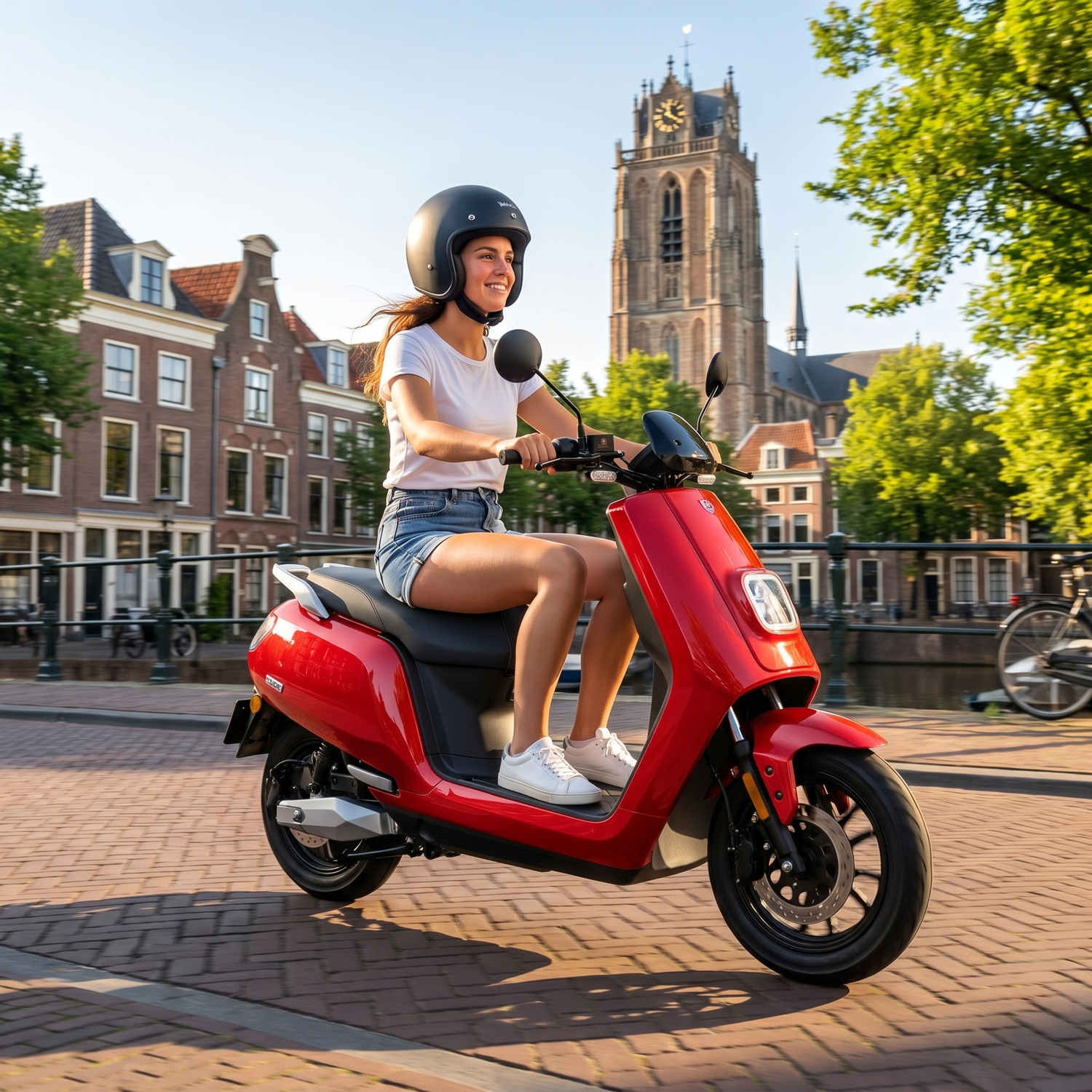
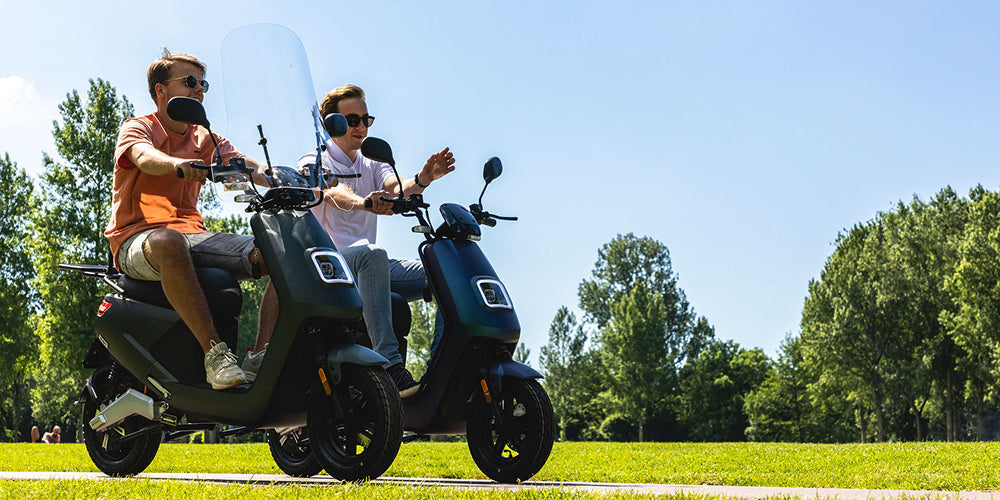
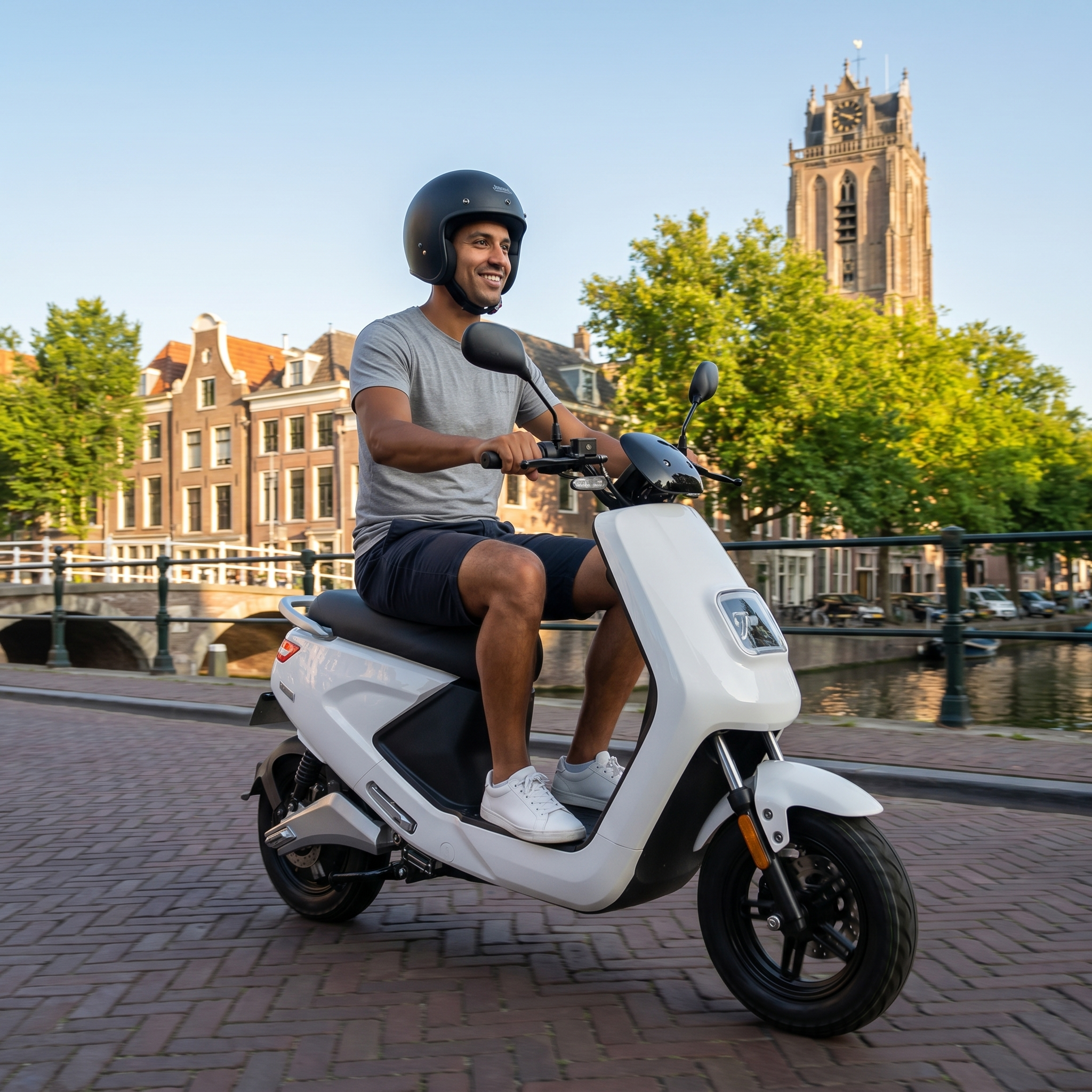
A buy an electric scooter in 2026 is a smart choice: quiet propulsion, lower monthly costs, and no more moped exhaust fumes in your face. Yet, for many riders, the purchase falls through after just a few months — the wrong scooter class, a battery that doesn't make it through the winter, or insurance that suddenly €40 turns out to be more expensive than expected. This guide lists the five biggest mistakes people make when buying an electric scooter and shows how to avoid each mistake. Below each mistake, you will find a practical check to help you avoid the same pitfall with your purchase. Whether you opt for a fast IVA E-GO S4 (45 km/h) or a quiet tricycle such as the IVA T3: The logic behind a good choice is the same.
In this guide
- The five pitfalls at a glance
- Mistake 1 — Underestimating the range
- Mistake 2 — Not arranging charging logistics in advance
- Mistake 3 — Choosing the wrong scooter class (25 vs 45 km/h)
- Error 4 — Cheap import without service or warranty
- Mistake 5 — Underestimating insurance, license plate, and maintenance
- Frequently Asked Questions
The five pitfalls at a glance
Before you leaf through: these are the key points of the entire article. If you remember one, remember that an electric scooter is not a standalone purchase — it is a combination of scooter, battery, charging situation, insurance, and service. Miss one, and the rest will fall over.
- Range: Expect 20–30% less range in winter and at higher speeds. Always add 50% extra to your daily distance.
- To upload: A removable battery is not a luxury but a requirement for those who do not have their own driveway.
- Scooter class: 25 km/h (moped, blue license plate) and 45 km/h (scooter, yellow license plate) have different rules regarding helmets, bicycle paths, and insurance.
- Quality: cheap import seems €800 to save, but often costs €600 extra for battery replacements within two years.
- Fixed expenses: Insurance, road tax (exempt for electric), MOT, and maintenance are part of the purchase decision — not afterwards.
Mistake 1 — Underestimating the range
The most common mistake when buying an electric scooter is trusting the range stated by the manufacturer on the box. That stated range is a laboratory value: flat road, 20°C, 60 kg test rider, constant speed of 25 km/h. In practice, you rarely achieve that range.
Why the actual range is lower
Five factors together determine how many kilometers you really get out of a single charge:
- Temperature: At 0°C, a lithium-ion battery delivers 20 to 30% less energy. You also lose efficiency in the summer above 30°C.
- Speed: Driving at 45 km/h requires significantly more energy than driving at 25 km/h. Expect 15–25% less range at full throttle.
- Heel and wind: Headwinds and bridges require extra power from the engine.
- Weight: Every extra 20 kg (passenger, groceries, luggage) noticeably reduces the range.
- Battery age: After three years of daily use, the capacity drops to approximately 80% of the original value.
This is how you calculate your actual needs
Pick a weekday and a weekend day from your calendar and add up all the rides. Add 50% to that as a safety margin for winter, wind, and battery aging. Then buy a scooter with a stated range that is at least 1.5 times that distance.Need 30 km daily? Then choose a scooter with a stated range of at least 45 km. Those who frequently make trips of 40+ km would be better off looking at models with a second battery lock or a removable spare battery.
In summary: The manufacturer's value is an upper limit, not a promise. Always calculate back to 70% of the stated range.
Mistake 2 — Not arranging charging logistics in advance
An electric scooter is only convenient if you can charge it at a time that suits you. Many buyers focus on power and design and only think about the plug after the purchase. This leads to frustration: dead batteries on Wednesday morning, arguments with neighbors over an extension cord across the sidewalk, or a scooter standing outside during a thunderstorm because the battery is charging inside.
The three common charging situations
Situation 1: You have your own driveway or garage. This is the easiest option. A standard Schuko socket (16A) is sufficient for most scooters. A full charge cycle takes 4 to 8 hours, depending on the battery pack.
Situation 2: You live in an apartment or rental home without a parking space. Here is a removable battery a requirement. You lift the battery pack (usually 8–15 kg) out of the scooter, take it inside, and charge it at your own power outlet. Models such as the IVA E-GO series and the IVA T3 are specifically designed for this.
Situation 3: You drive long distances and need to charge along the way. Public charging stations for scooters are not yet available everywhere. Do not count on this as a core amenity — use them as a bonus.
Ask the dealer this before you sign.
- How much does the battery weigh and can you remove it without tools?
- Does the charger fit into a standard wall socket, or is a separate connection required?
- What is the full load time from 0 to 100%?
- Can you charge the battery indoors without fire safety risks? Also read our guide on safe charging and battery life.
- How much does a spare battery cost and is it always available?
In summary: The scooter travels as far as its battery allows, and the battery is charged as often as your situation permits. Plan the charging first, then choose the scooter.
Mistake 3 — Choosing the wrong scooter class (25 vs 45 km/h)
In the Netherlands, there are two main classes of electric scooters: the light moped (maximum 25 km/h, blue license plate) and the light scooter (maximum 45 km/h, yellow license plate). For both, you need an AM driving licence and the scooter must have a license plate. But after that, the rules diverge — and that is where things regularly go wrong.
Moped — 25 km/h, blue license plate
The light moped is intended for use within built-up areas. Key rules:
- Maximum speed 25 km/h.
- Minimum AM driving licence, from age 16.
- Mandatory helmet use since 2023 for the driver and passenger.
- May be used on the bike path outside large cities such as Amsterdam, Utrecht, and Rotterdam. In those cities, he must stay on the road.
- Moped insurance (third-party liability) is relatively cheap — often €15–25 per month.
Moped — 45 km/h, yellow license plate
The moped is intended for traffic flow on lanes within and outside the city. Key rules:
- Maximum speed 45 km/h.
- Minimum AM driving licence, from age 16.
- Helmet requirement (same as for mopeds).
- Mandatory on the roadway, not on the bike path.
- Third-party liability insurance is more expensive — count on €25–45 per month, depending on age and region.
For the current regulations, consult National Government — moped and the RDW for mandatory registration.
When do you choose which one?
Choose 25 km/h if you mainly drive within the city, short trips of < makes 8 km and wants to continue using the cycle path. Choose 45 km/h If you drive 10+ km outside the city daily or take longer main roads — at 25 km/h you are an obstacle there and it is also less safe in traffic. A fast IVA E-GO S4 or S5 falls under the 45 km/h class.
In summary: The class determines not only your speed, but also where you are allowed to ride, how much your insurance costs, and which helmet you wear. Choose the class before you choose the model.
Error 4 — Cheap import without service or warranty
A scooter of €1.299 Shipped online from Poland or China seems attractive. Until the first defect. Cheap imports save money at the time of purchase, but over two to three years they almost always cost more than a premium brand from a Dutch dealer. The bill comes back to haunt you on four points.
Where money leaks with cheap imports
- Battery life. Lithium cells from budget manufacturers often lose 30–40% of their capacity after just 12–18 months. Replacing them costs €500–€900.
- Parts. Specific parts for obscure brands are not available from Dutch dealers. Waiting times of 4 to 8 weeks are not uncommon.
- Warranty. The statutory warranty also applies to imports, but in practice, it is difficult to hold a manufacturer in Shenzhen liable.
- Safety. Not all imported batteries comply with European safety standards. The risk of fire during charging is not a theoretical risk.
How do you recognize a reliable brand?
A good brand has a Dutch service location, has passed an independent ANWB or Consumentenbond test, and a dealer nearby where you can go for maintenance and breakdowns. Read the ANWB scooter test of the IVA E-GO S4 as an example of an independent assessment, and see which dealers are near you via the dealer locator.
The calculation: import vs. A-brand over three years
Suppose: a budget import scooter costs €1.299 and a comparable premium brand scooter €2.099. Difference: €800. But the importer requests a new battery after 18 months (€700), a broken part out of stock (€150 + 6 weeks of downtime) and has a 30% lower residual value upon sale (~€400 difference). The cheap choice will then cost you €450 extra over three years — on top of the inconvenience.
In summary: Do not calculate the purchase price, but the total costs over three years. Service, parts, and residual value outweigh the sticker on the box.
Mistake 5 — Underestimating insurance, license plate, and maintenance
An electric scooter does not run for the price of its electricity. The monthly fixed costs—insurance, a possible second helmet, maintenance, replacement of tires and brake pads—add up to a sum that comes as a surprise. Anyone who calculates these costs only after the purchase feels ripped off.
Insurance: three levels
- WA (legally required): €15–30 per month for a moped, €25–45 for a moped. Covers damage to others, not to your own scooter.
- Third-Party Liability + Limited Cover: €25–45 per month. Also covers theft and fire.
- Third-party liability + comprehensive: €35–60 per month. Also covers own damage, vandalism, and roadside breakdown.
The ANWB scooter insurance and the Consumers' Association publish comparative rates annually. For a new scooter above the €1.500 All-risk is usually worth it.
Registration and road tax
Every electric scooter (both 25 and 45 km/h) requires a license plate. The dealer arranges this at the time of purchase. The good news: Electric scooters are exempt from road tax.. That is a saving of a few tens of euros per year compared to a petrol scooter.
Annual maintenance
An electric scooter requires no oil changes, no spark plugs, and no air filter. The fixed maintenance items are:
- Tyres: replace every 8,000–15,000 km, costs €40–80 per tire.
- Brake pads: annual check, costs €25–50.
- Battery: Quality batteries last 6–8 years; replacement costs €500–1,200.
- General check: annual service at the dealer, costs €60–120.
Adding it up: an electric scooter costs on average €60–100 per month in fixed costs — significantly lower than a petrol scooter (~€120–180), but certainly not zero. For more about license plate and insurance we have a separate guide.
In summary: Calculate the three-year costs before you sign. The silent engine still hides a bill.
Frequently asked questions about buying an electric scooter
What is the biggest mistake when buying an electric scooter?
The biggest mistake is attaching too much importance to the stated range and too little to charging logistics. A scooter with a stated range of 80 km realistically achieves 55 km in winter, and if you don't have a removable battery or a charging point at your parking spot, you end up using it less than planned.
How many kilometers of range do I need?
Add up your daily trips, multiply by 1.5 for winter and battery aging, and choose a scooter whose stated range meets at least those requirements. For a daily 20 km commute, that means a scooter with a stated range of at least 30 km. For 30 km daily: a stated range of at least 45 km.
Which electric scooter is suitable for the bike path?
Only light mopeds (maximum 25 km/h, blue license plate) are allowed on the cycle path, and even then not in all cities. Amsterdam, Utrecht, and Rotterdam have banned light mopeds from the cycle path and relegated them to the road within built-up areas. Outside those cities, light mopeds are permitted to ride on the cycle path. For the full overview, see National Government.
Am I allowed to ride a 25 km/h scooter without a helmet?
No. Since 2023, the helmet requirement also applies to light mopeds (25 km/h). Both the driver and the passenger must wear an approved helmet. For the legal exceptions regarding mobility scooters — which do not fall under this rule — see our article on the helmet requirement and mobility scooters.
How much will a good electric scooter cost in 2026?
A reliable electric moped (25 km/h) will cost between in 2026 €1.999 and €3.499. A moped (45 km/h) lies between €2.499 and €4.299. Under €1.500 you will almost certainly end up with budget import without local service. Above €4.500 you pay for premium features that are rarely needed for daily driving.
How long does the battery of an electric scooter last?
A quality lithium-ion battery lasts 5 to 8 years under normal use, or 800 to 1,200 charge cycles. After that period, the battery retains approximately 70% of its original capacity.An in-depth article about battery lifespan and replacement costs It is also on this blog.
Is an electric scooter cheaper to maintain than a petrol one?
Yes, steep. An electric scooter has no oil, no spark plugs, and no air filter — which halves the annual maintenance. On average, an electric scooter costs €60–100 per month for maintenance, insurance, and electricity, compared to €120–180 for a comparable petrol scooter.
Do I need a driver's license for an electric scooter?
Yes, you need an AM driving licence for both a 25 km/h light moped and a 45 km/h light scooter. You can obtain this from the age of 15.5 by passing a theory and practical exam at the CBR. Anyone who already holds a car driving licence (B) issued before October 1, 2009, is automatically also eligible for an AM licence.
What are the disadvantages of a cheap electric scooter?
Cheap imports (under €1.500It usually comes down to four points: shorter battery life (12–18 months with up to 30% loss), lack of spare parts, long waiting times in the event of a defect, and lower safety standards for the battery itself. Calculated over three years, a premium brand is almost always cheaper than a budget import.
What should I look out for during a test drive?
Test for at least fifteen minutes and ride on a straight road as well as through curves and over a speed bump. Pay attention to: acceleration, engine noise level, cornering stability, ergonomics of the seat and handlebars, screen clarity, and braking power. Ask the dealer for a test ride of at least 5 km — not just laps in the parking lot. Schedule one via the IVA dealer locator.
The right choice requires preparation.
Buying an electric scooter is an investment for five to eight years. The five mistakes in this guide — underestimating range, ignoring charging logistics, choosing the wrong class, focusing on the purchase price, and forgetting fixed costs — can all be avoided with an hour of preparation. Go through them one by one, ask the dealer about what you don't know, and schedule a real test ride. Check it out. complete IVA range of electric scooters, or book a test drive directly at a dealer near you. You can find questions about warranty and service under IVA guarantee.

1 reaction
Klaas Meester
Elektra driewieler informatie
Leave a comment
This site is protected by hCaptcha and the hCaptcha Privacy Policy and Terms of Service apply.